
28 October, 2023
by Catherine Lim
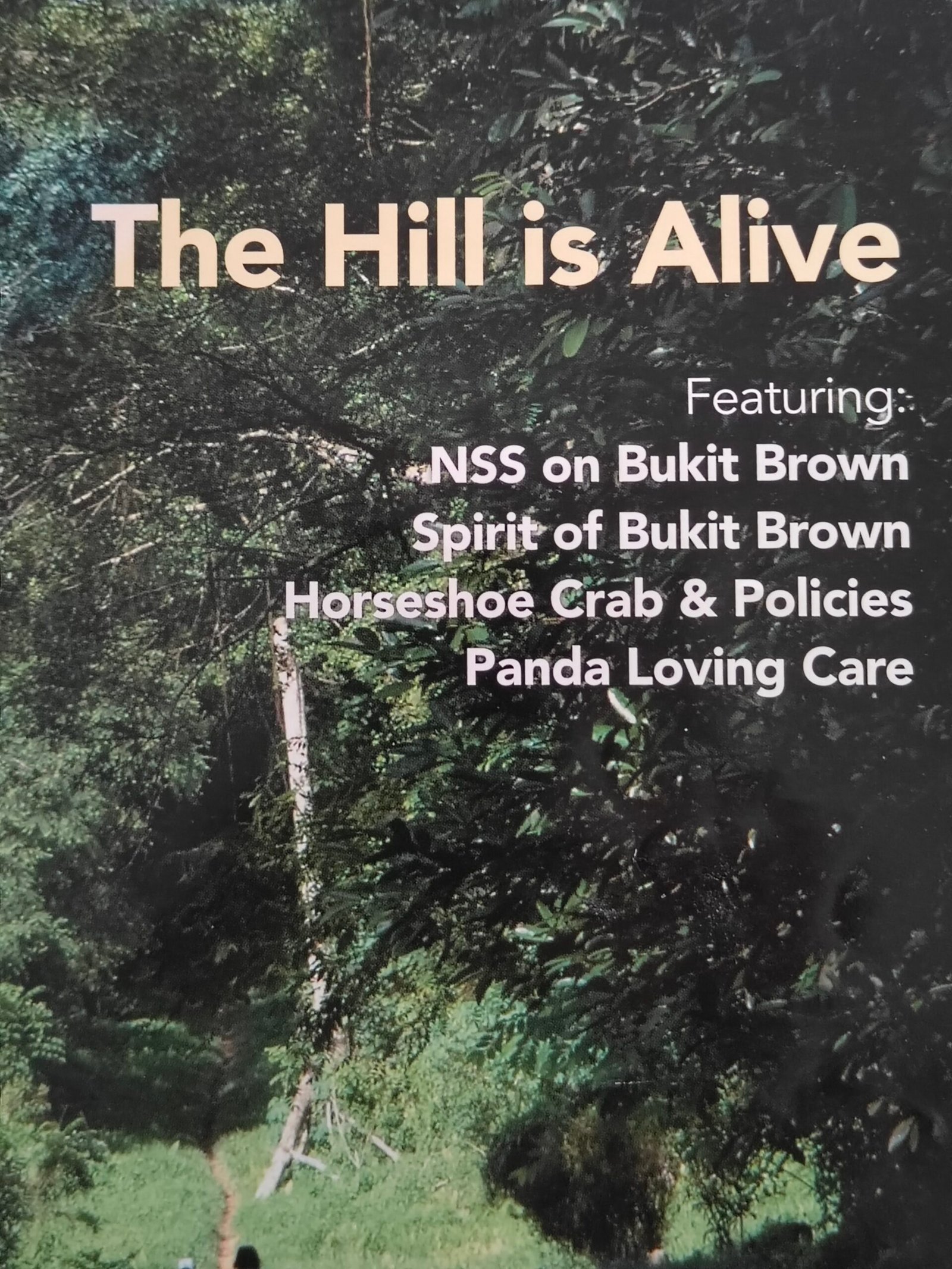
It was the April-Jun 2012 edition of Nature Watch, the Nature Society of Singapore (NSS) bi- monthly magazine of hot topics. This one featured the position paper and recommendations for Bukit Brown Cemetery together with a ed-op piece and photo feature titled “Spirit of Bukit Brown” The latter by Ilsa Sharpe, who was on a visit from Perth, which was now home. A revisit was undertaken in the light of news following the announcement of an eight-lane highway that would bifurcate the cemetery.
First Dr. Ho Hua Chew presented some of the reasons for preservation:
ECOSYETEM SERVICES
1) Carbon Sequestration
While our eco footprint is on par with that of first world nations then, “Singapore should take up the challenge of becoming not just a red dot to the world, given that the crisis of global warming has intensified to an alarming degree.”
12 years later climate change is an existentialist crisis. Globally, governments have had to face extreme weather devastation from blistering heat to numb blinding cold. Mitigating climate change requires new sustainable and equitable goals. There is a place for Bukit Brown in this.
2) Natural air-conditioning. If you have ever been to Bukit Brown, then you will have felt what I mean. Nothing more to say.
3) Rainfall sponge. It rains often in Singapore, but it also evaporates fast in our concrete jungle, the wooded areas of Bukit Brown, retains water, and “allow a slower percolation of water into the ground.” This helps prevent or reduce floods.”
Biodiversity
With the formulation of the Master Plan for the Conservation of Nature which was published, NSS had been monitoring the bird life in Bukit Brown.
Their highlights:
94 resident and migrant bird species have been recorded. That’s 26% of 364 bird species recorded under the NSS checklist in 2007. “Impressive” is how Ho describes this figure, given the landscape is mainly woodland.
Nationally threatened birds include the White-bellied Woodpecker (critically endangered and rare). The Spotted Wood Owl and Grey-headed Fish Eagle all in the same category of rare, and critically endangered; 56 species listed in the Red Data Book is 27%, making the cemetery an important site for biodiversity conservation.
Forest Birds – Extended Habitat
Bukit Brown serves as an important habitat and foraging ground for many forest species. Their presence which includes the Malkoha, Asian Fairy Bluebird and Black-headed Bulbul is probably due to over-crowding, especially at the Macritchie Forest part of the Central Catchment Nature Reserve (CCNR)., opposite Lornie Road where Bukit Brown is located. There is also a disconnect with the reservoir and the golf course at Sime Road to the west, and the dam and open ground to the east.
From Bukit Brown it is “a skip and a hop” to the Southern Parks and Ridges. With the cemetery situated south of CCNR, it acts “as a bridge” to include Botanic Gardens to the Istana and Fort Canning. Bukit Brown facilitates as close to a contiguous route for forest birds to the South.
An interesting record of a Large Flying Fox was sighted close to the expressway transect area. A common sight in the past, it is now nationally extinct. It was probably a visitor from Johor or Indonesia. It is a rare sighting which indicates Bukit Brown holds promise for other wildlife apart from the birds.
Since this article was written, there have been sightings by the tomb keepers of the rare Sunda Pangolins as reported by all things Bukit Brown.
To summarise the impact of an eight- lane highway:
The expressway approximately 2 km in length cuts through the area close to MacRitchie Forest, going diagonally across the only big valley with a flowing river, and I would add the most beautiful part of Bukit Brown, with thick woodlands along the shoulders and surround areas on both sides of the valley.
Most of these will probably be wiped out by the construction of the highway. Most of the forest species which used Bukit Brown as a launching pad for foraging will lose their habitat because of the damage and destruction, wreaked. Forest birds are not long-distance flyers. The proposal for the 600 meter “vehicular bridge” although allowing for the river to continue flowing, will with its massive width cast a huge shadow underneath. Deprived of sunlight, the plants will wither and die.
In, 2012:
The Nature Society of Singapore recommends and advocates:
The whole of area of Bukit Brown be designated as a heritage park, with cultural and nature/ecological components integrated into one entity. This also allows for other recreational facilities and activities that are in harmony with the dual-heritage dimension of the park. Such activities include horse riding strolling, hiking, cycling and more. The heritage park should be proposed to the UN as an UNESCO World Heritage Park to draw the tourists – if Singapore ratifies the UNESCO World Heritage Convention. “
On May 15. 2014, having ratified the convention, the Botanic Gardens was inscribed as our first UNESCO Heritage Site.
In 2023, all things Bukit Brown, advocates and recommends that Bukit Brown Cemetery be considered for inscription as the twin to Botanic Gardens, following its success. Also, a cultural site, it tells the story of our migrant nation, embedded with exquisite and simple stonework, with inscriptions that speak of revolution and peace, and represents tangible records of ordinary times of ordinary lives from Coolies to Capitan Cinas, in colonial times.
One of the rare battlegrounds from WWII which are still intact in parts, despite the highway which cut through the last known locations where soldiers were recorded to have fell. There are mass graves from WWII still not uncovered.
Lest we forget.
This will be a fitting remembrance of our war dead, a memorial and a national heritage park.
Remember Where We Came From
“We are Singaporeans together on a small island. We are anchored by our emotional links with family and friends and by our shared sense of our history, and our common destiny. We are not just here, materialised from nowhere, appeared out of a Transformers movie, maybe, we came here somewhere, sometime there was a history to it and it is crucial to remember where we came from, how we got here”
PM Lee Hsien Loong, National Day Rally speech, 2011
~~~~~~~~~~~~~~~~~~~~~~~~~~~~~~~~~~~~~~~~~~~~~~~~~~~~~~~~~~~~~~~~~~~~~~~~~~~~~~~~~~
There is a Chinese saying, ” 飲水思源” translated, “remember the source of the water.”
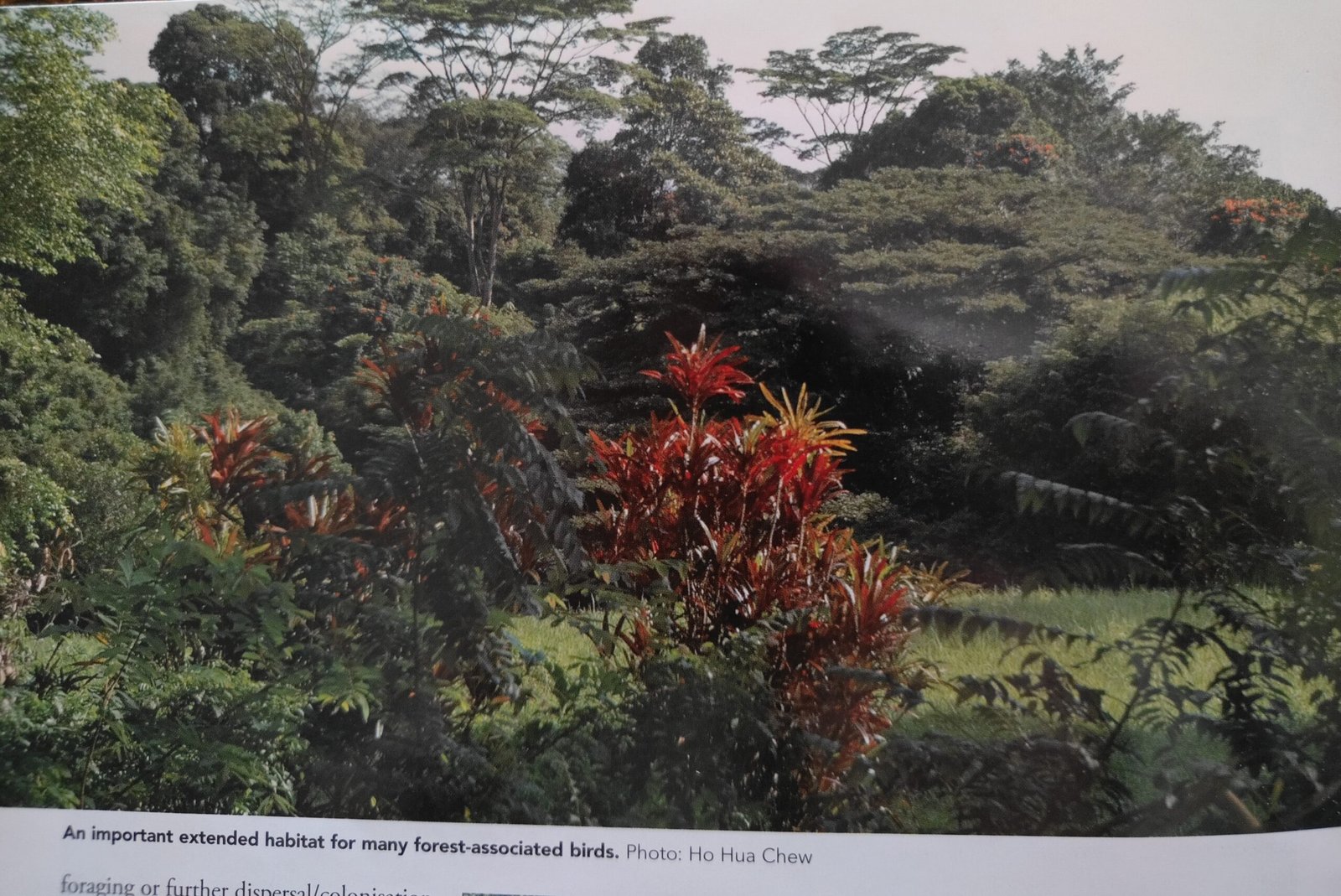
The carbon sink (photo : Ho Hua Chew)
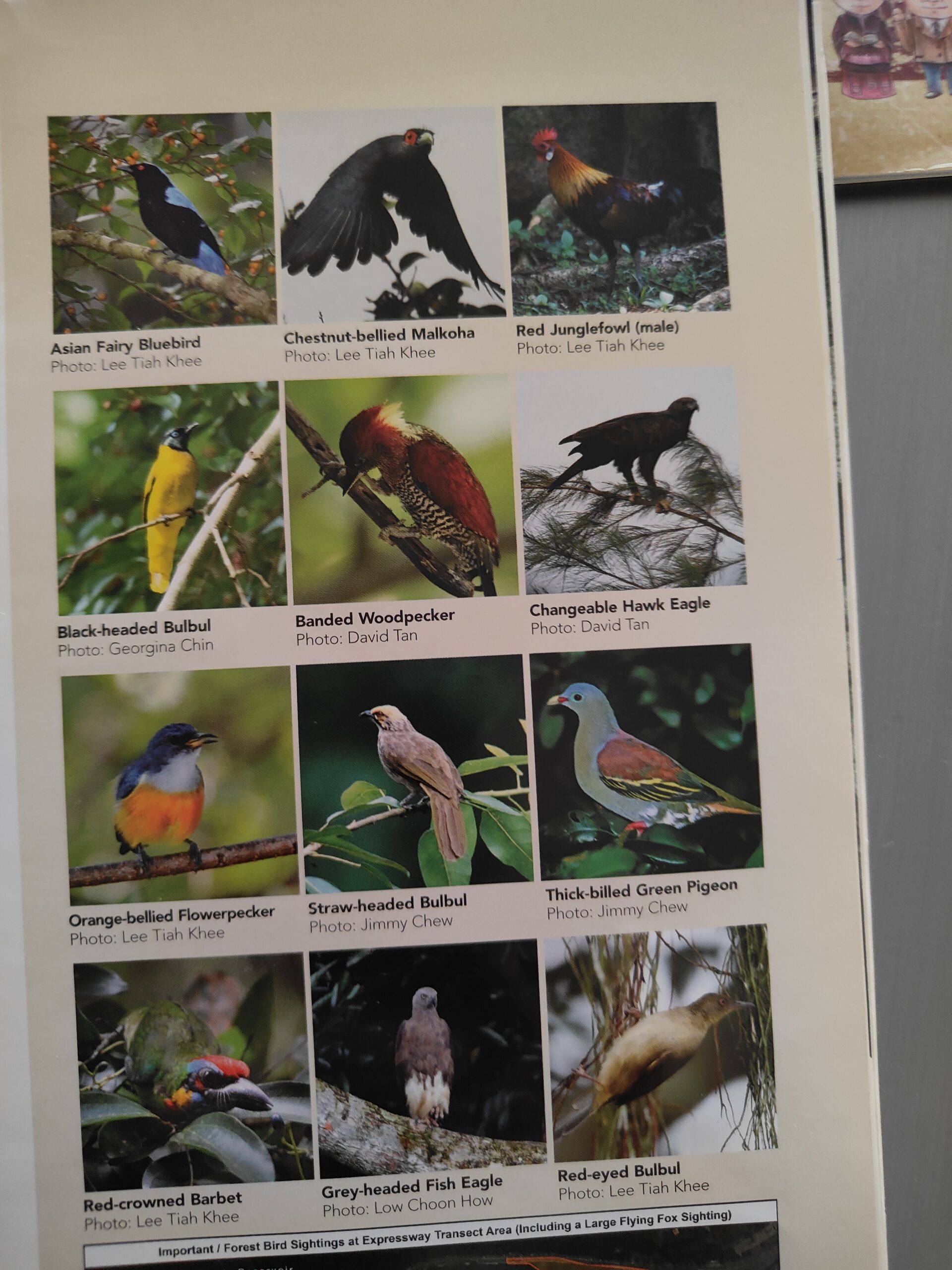
Birds of Bukit Brown (Nature Society of Singapore: Nature Watch)
Horse-riding and strolling, extracted from Nature Watch 2012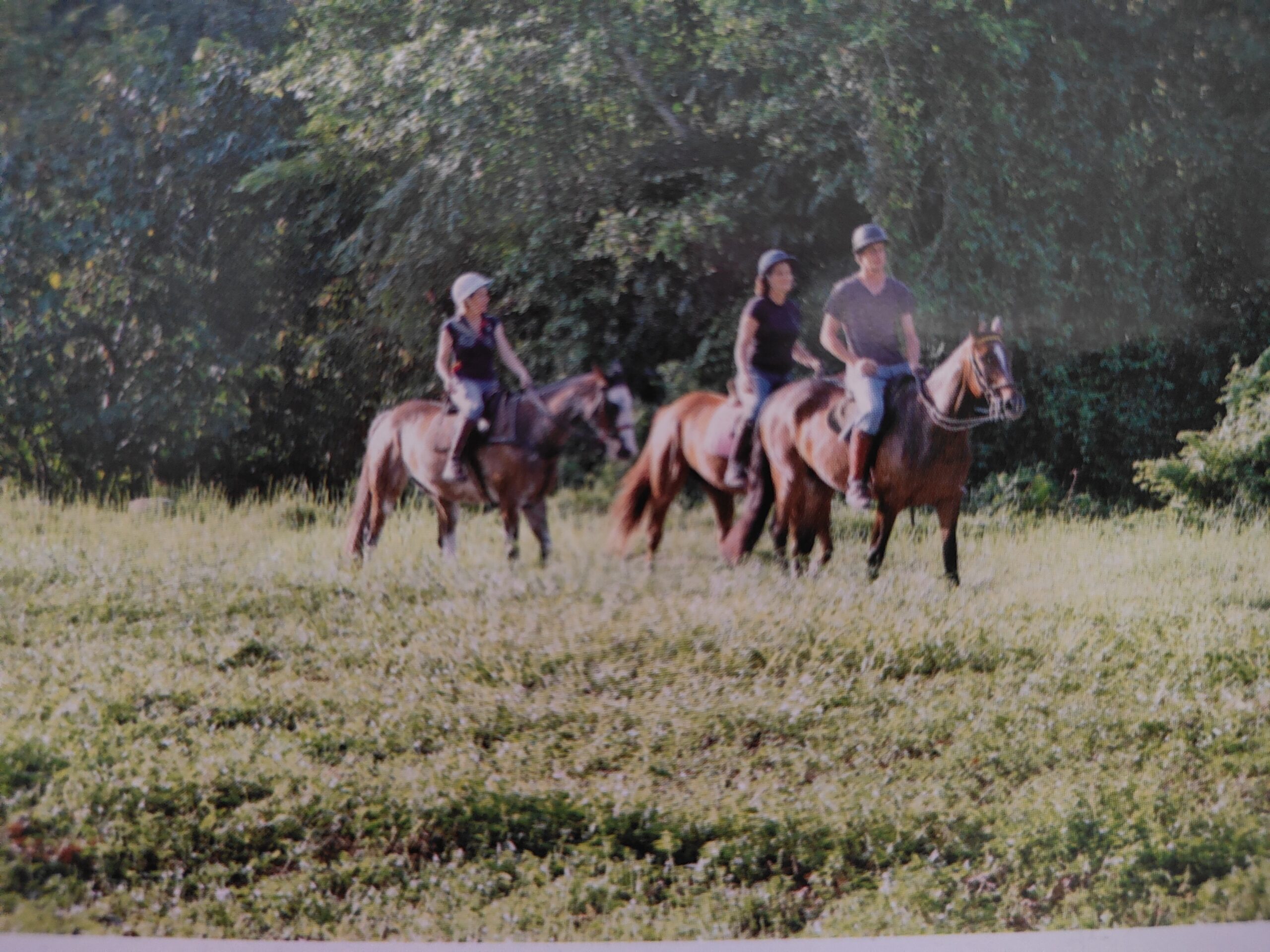
Intertwining Guided Walks of History, Habitat and Heritage
It’s like a three- in-one and atBB has recorded over 20,000 participants to such walks.
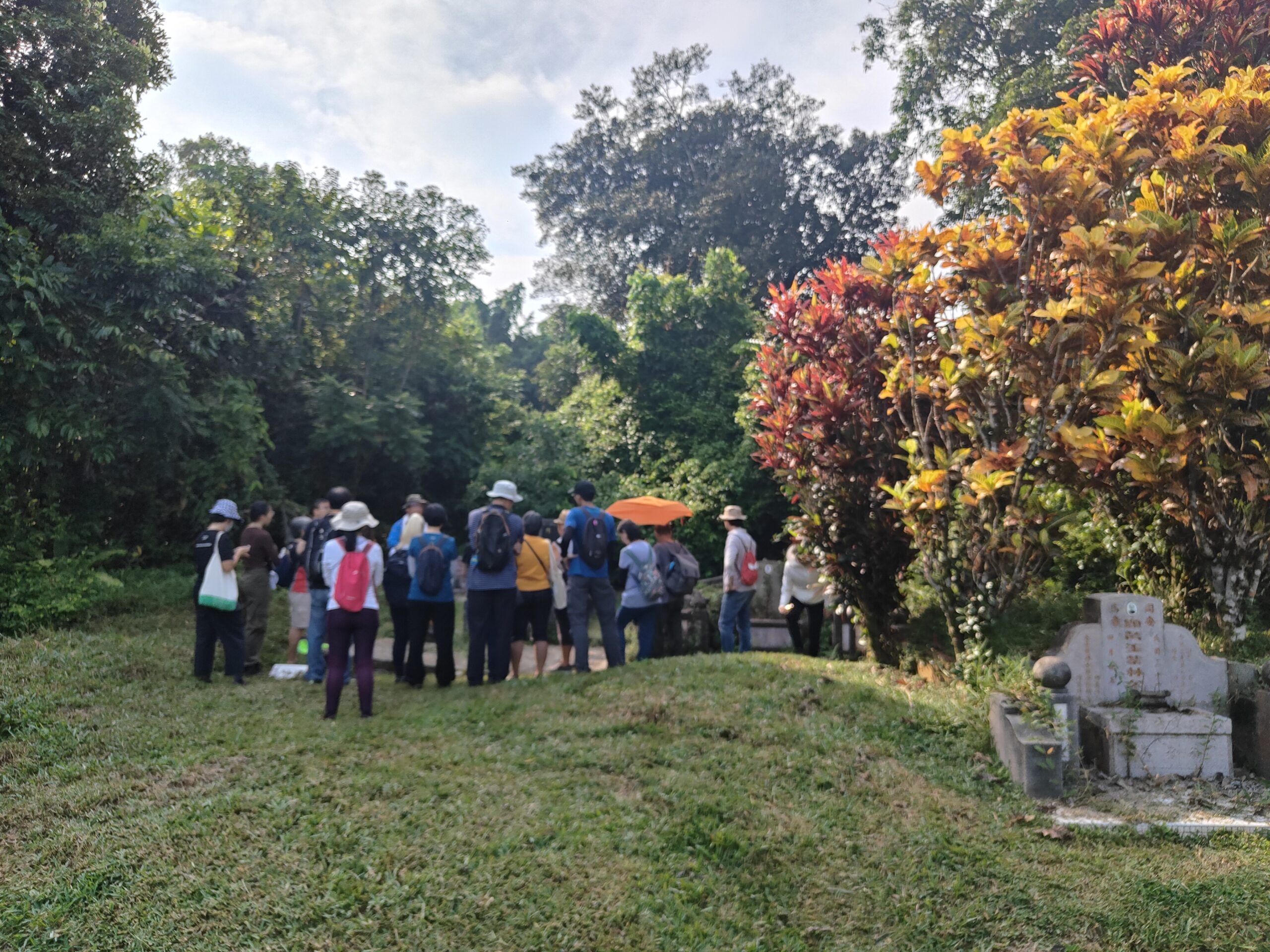
atBB guided walk at the grave of Tan Chor Nam
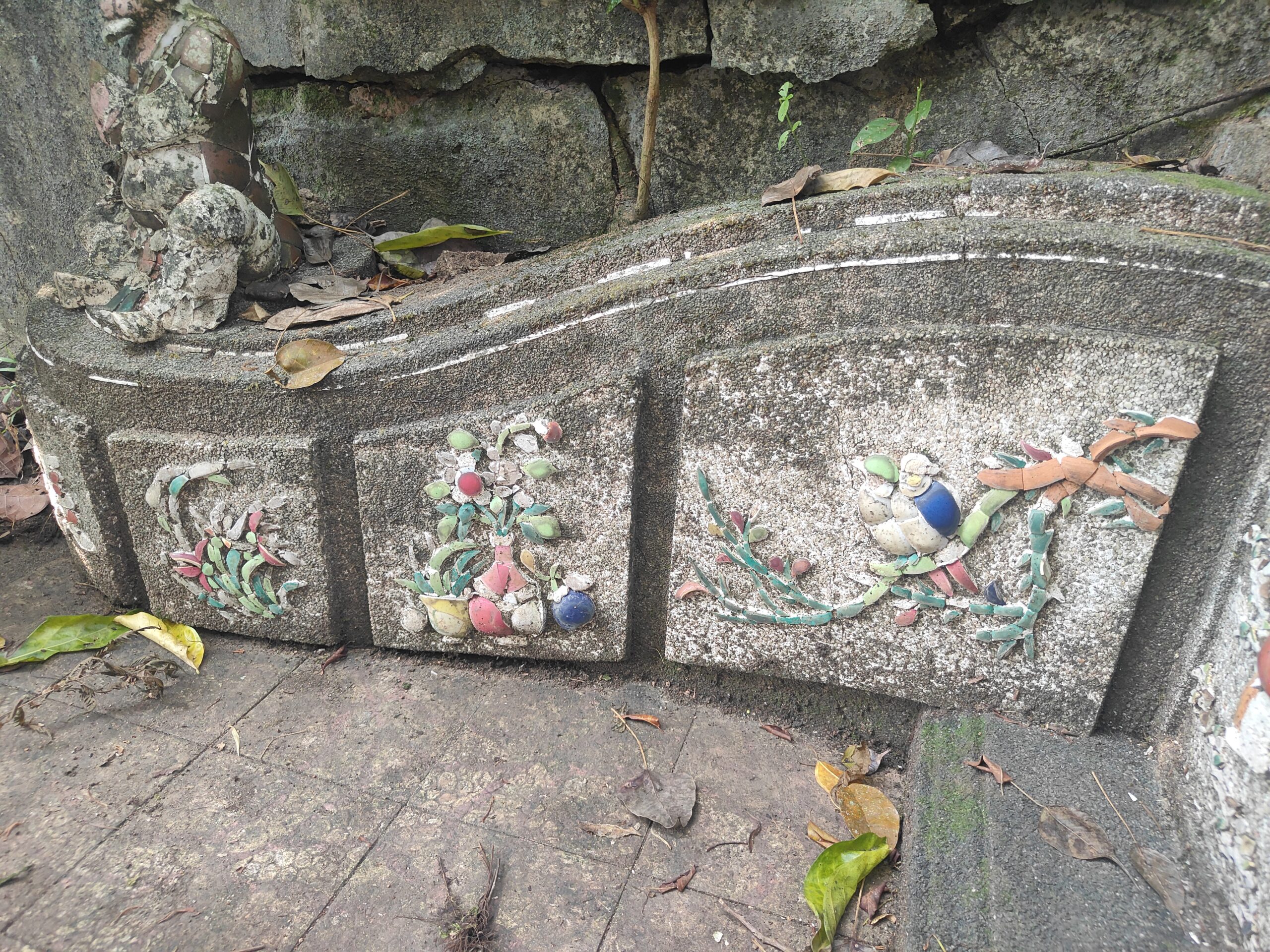
Five Cats Grave
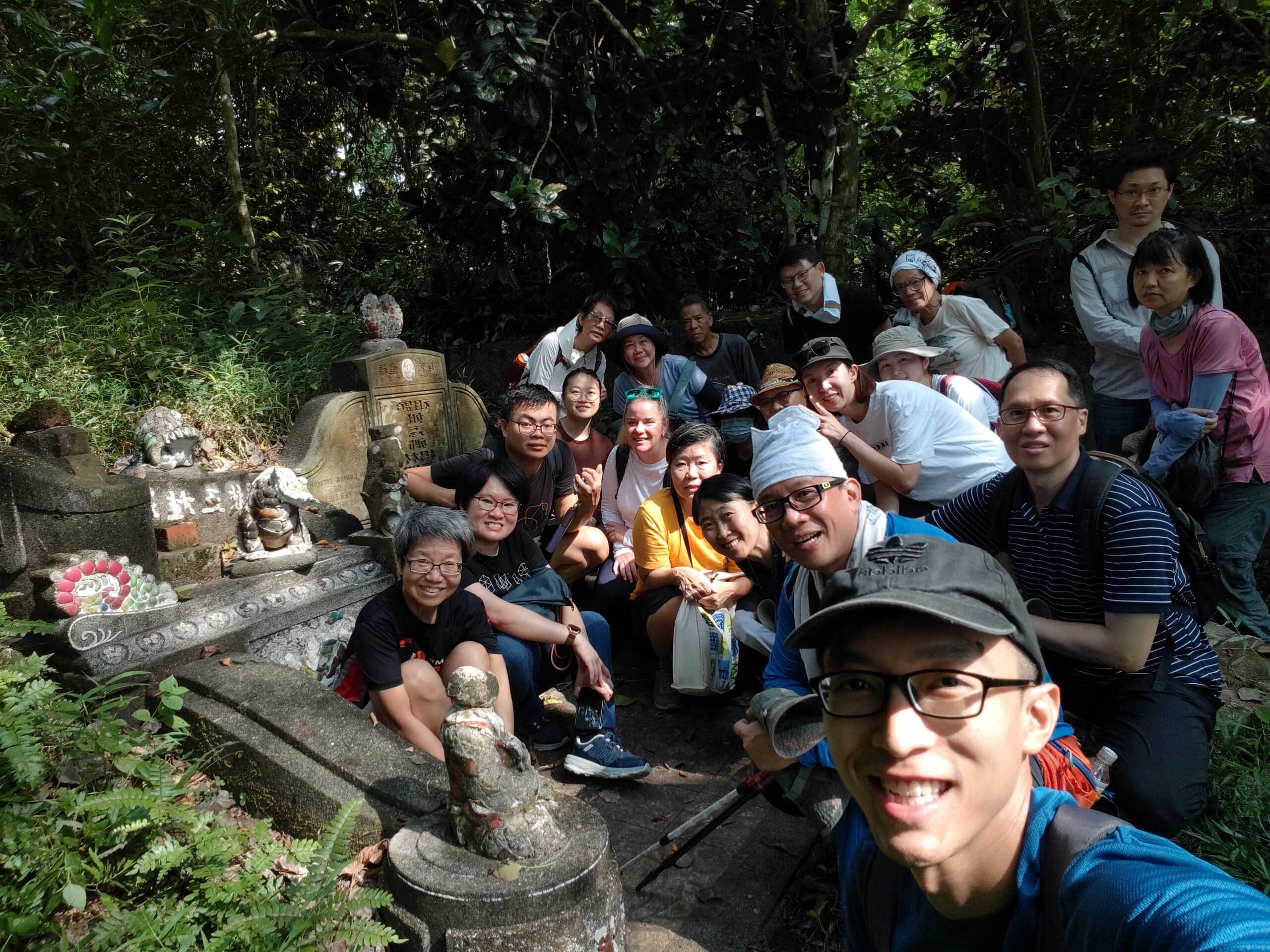
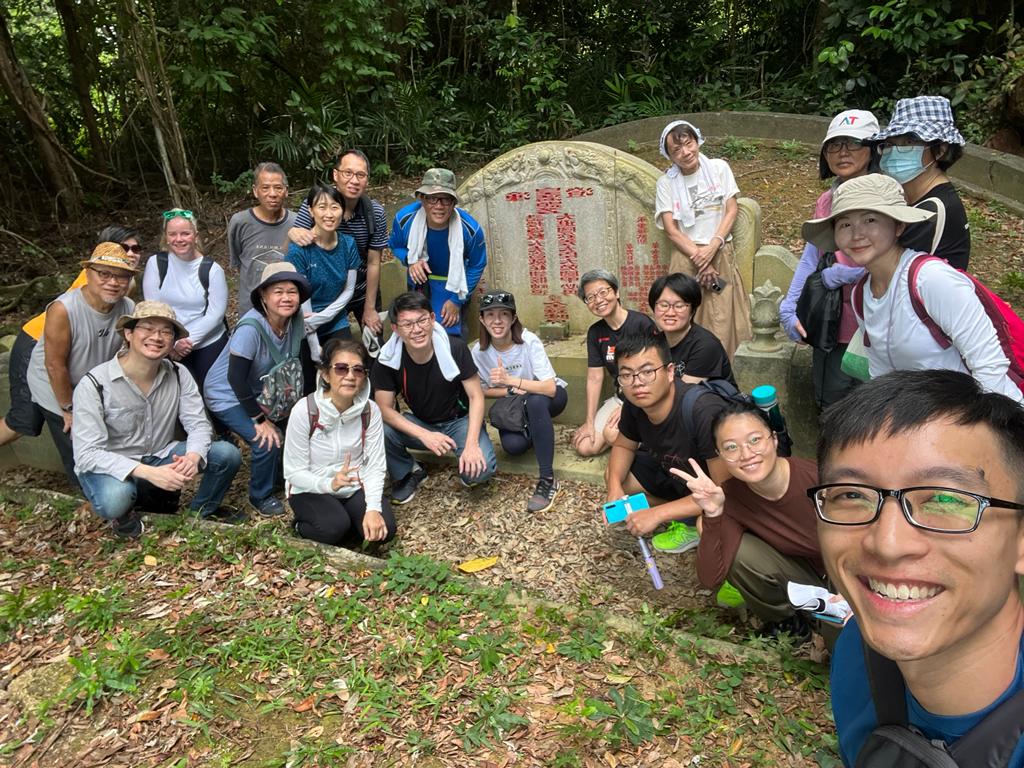
The group welfie by Kenneth of appreciative participants
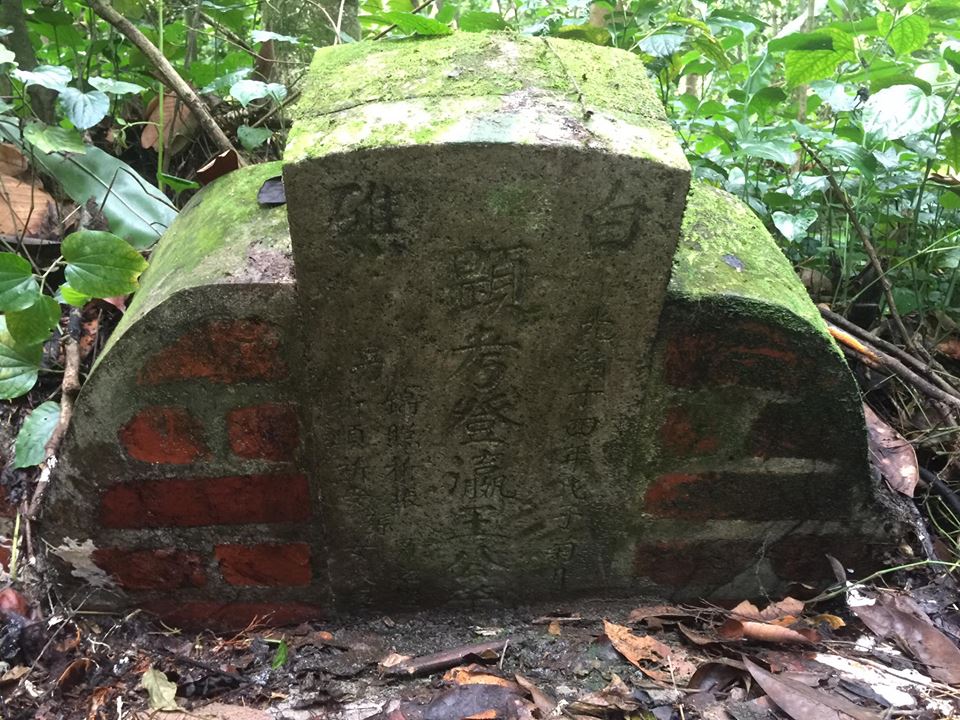
Simple grave from bricks, one of the earliest industries on the island
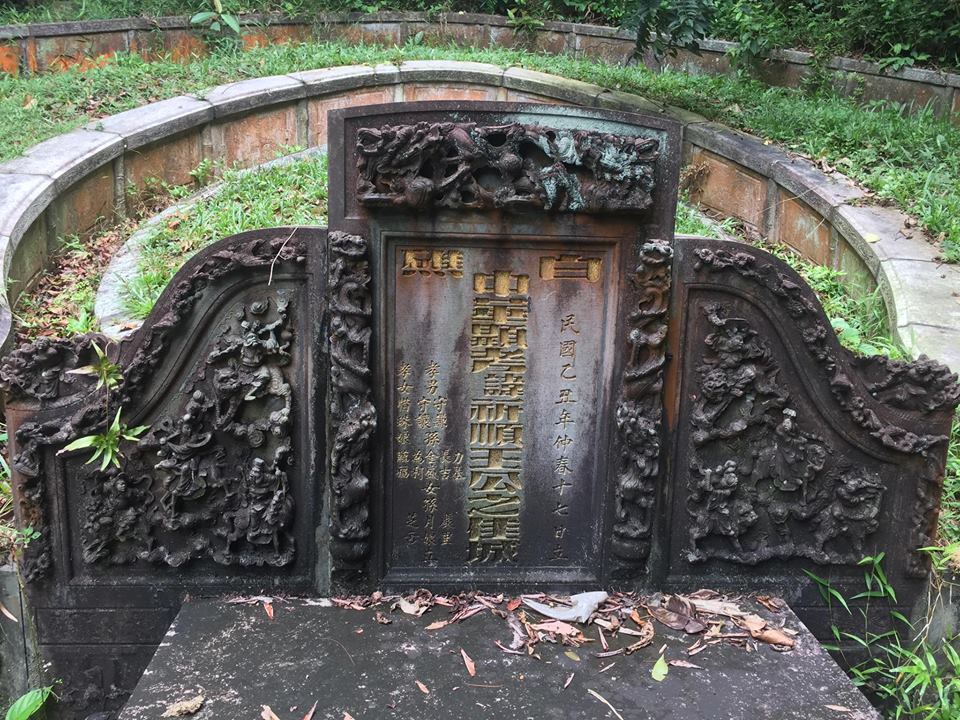
Elaborate 3-D grave
The grave of Tan Kim Ching. Kapitan Cina, Special Envoy in the Siamese court, scion of Tan Tock Seng
This blog post is extracted and adapted from a 2012 issue of Nature Watch. with thanks to the Nature Society of Singapore especially, Dr. Ho Hua Chew. Coming up “ The Spirit of Bukit Brown” by Ilsa Sharp.

A stopover at the the triple Wee tombs with a matriarch buried in the center flanked by her son on her left and daughter in law on the right. This was to familarise the group on material culture and what it represents, from protection to insurance for future descendants to be taken care of.
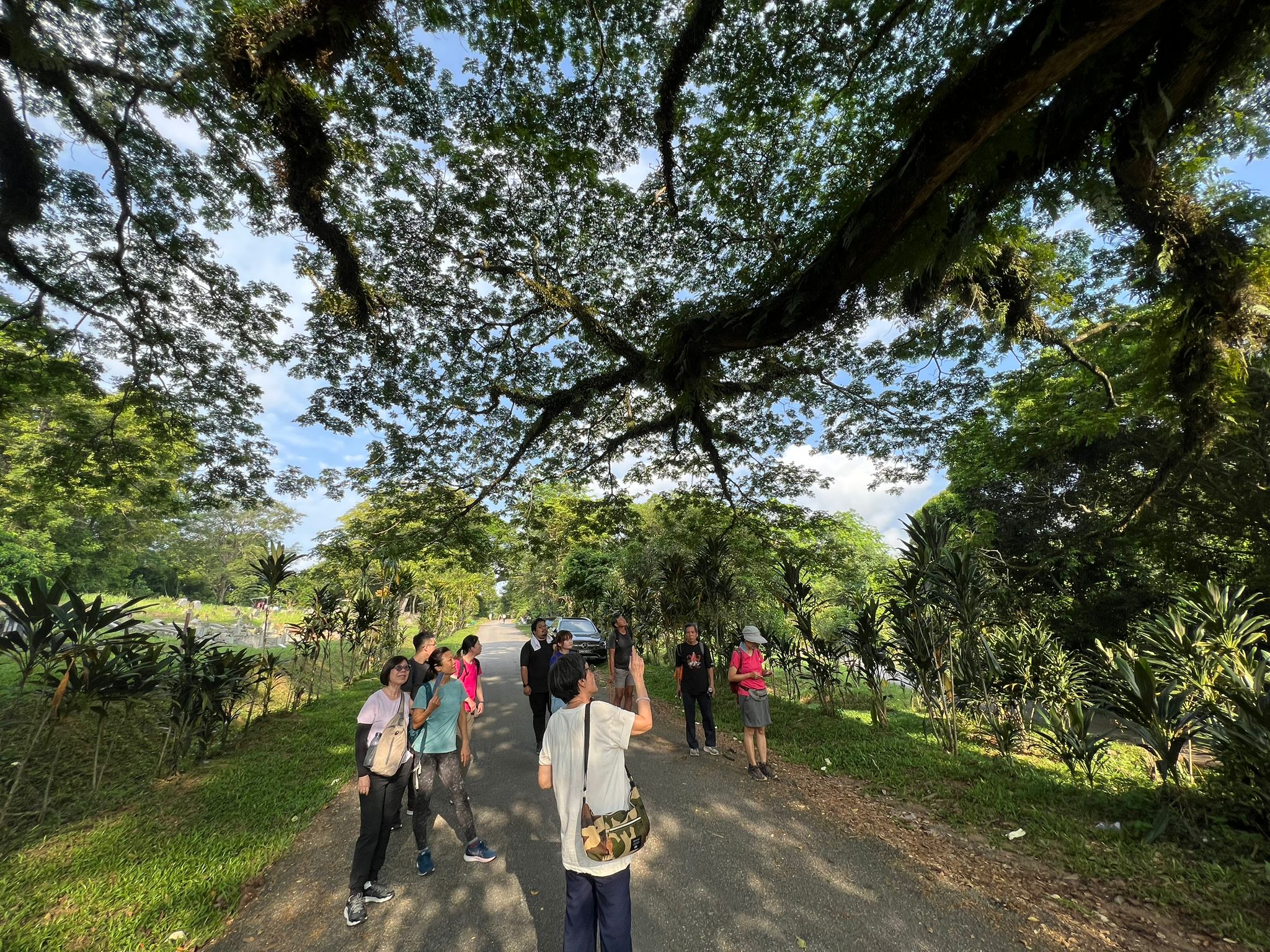
Catherine drew attention to the magnificent trees surrounding the junction of Hills 3 & 2 & 5, hosting birds nest ferns and bats.
We began proper at the grave of Tan Chor Nam aka Tan Ah Chye, founder member of Tong Meng Hui, and who subscribed to Sun Yat Sen’s vision of a Republican China. His grave marked by colourful crotons in its surrounds.
As we turned into another corner, the cluster of Cheang Hong Lims’ family, all relocated from the family burial grounds in Queenstown, probably to build our first HDB estate. Fabian spoke primarily about CHL and his beautiful and intelligent eldest daughter Murial who was made the executor of his vast estate and fortune, the subject of family feuds and infamous court cases.
Passed by the Instagram-able , Sikh Guards tomb, with a mention of the practice of “live” graves. And proceeding to Tan Boo Liat great grandson of Tan Tock Seng, and his legacy that continues the family tradition of philanthropy: the villa on a hill at Pender Road, he built in memory of his grandfather and named Golden Bell, meaning Kim Ching. A fervent advocate to ban the sale of opium, the scourge of addiction among the already impoverished coolies, he set up rehabilitation centers to help them kick the habit.
Tan’s neighbours are the triple Pang tombs, with husband and wife in the center, flanked by both his grandmother and her mother. They must have been close. His grandmother had vowed to be vegetarian, in exchange, the “gods” were to ensure that every member of the Pang family, survived WWII and came back safely, and they did. She is buried as a nun in a sitting position.
As we walked by Oh Sian Guan’s beautifully carved grave – he is the great grandfather of Kevin Kwan who gave us Crazy Rich Asians – we stood a minute’s silence, for Richard Hu our longest serving finance minister who passed away the night before. He is also part of the extended family of Ohs, Kwans’ and Hus’.
We ended officially at the grave ofTan Ean Kiam, philanthropist, founder member of the gentleman’s club Goh Loo – My Humble Abode – who died in the first year of the war, of a heart attack, or was it outbreak, to see all that the Chinese businessmen and many of them bankers, had built up in the economy, just decimated by the Japanese in the war.
He penned his own epithet. loosely translated:
“It doesn’t matter where I am buried
When the coffin covers me, that is my quilt
I am home.
It is a homage and comfort to all who had battled seas to arrive in Sinchew, Selatpor – old names for Singapore – and never made it back to the motherland.
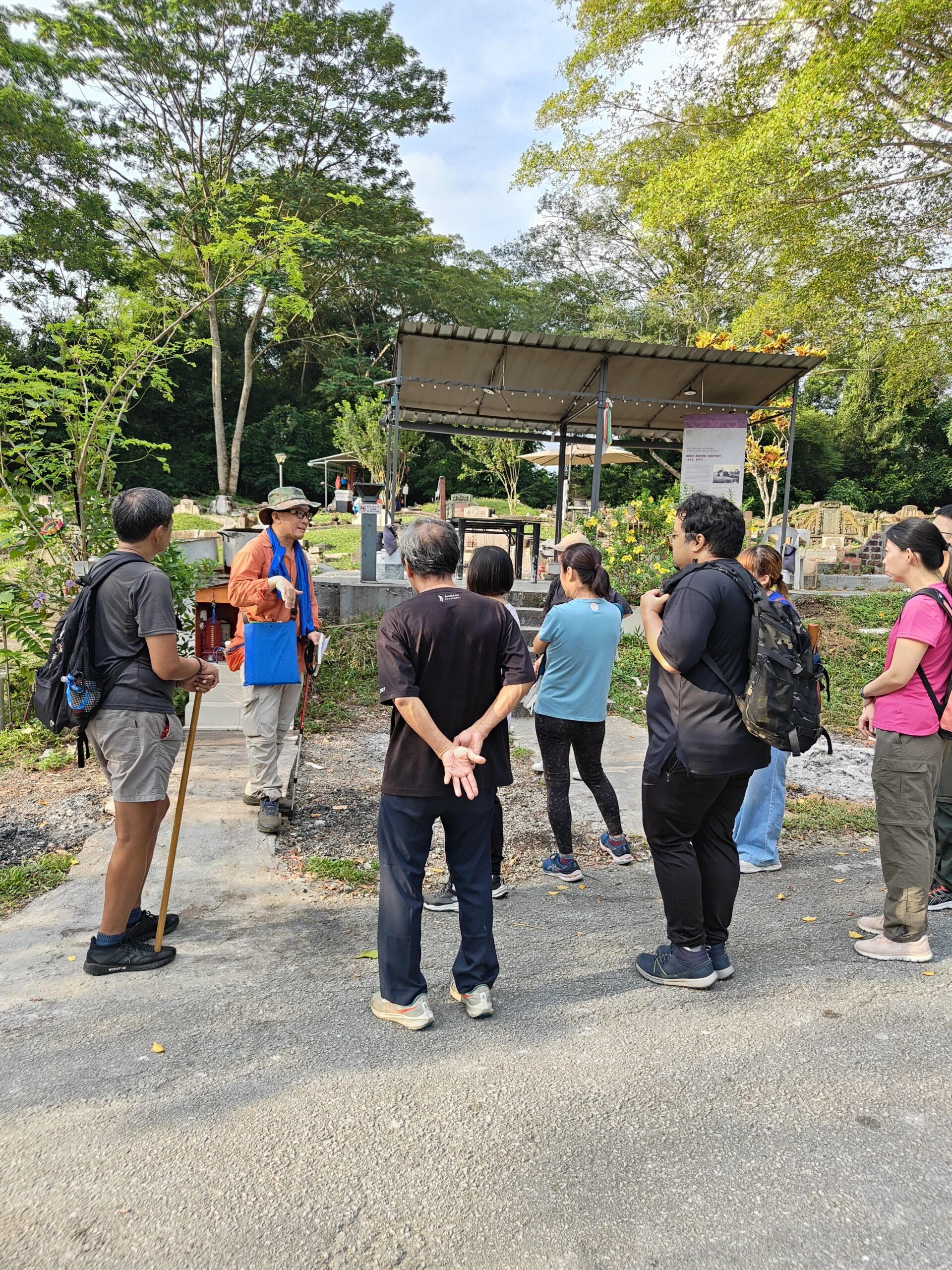
The introduction
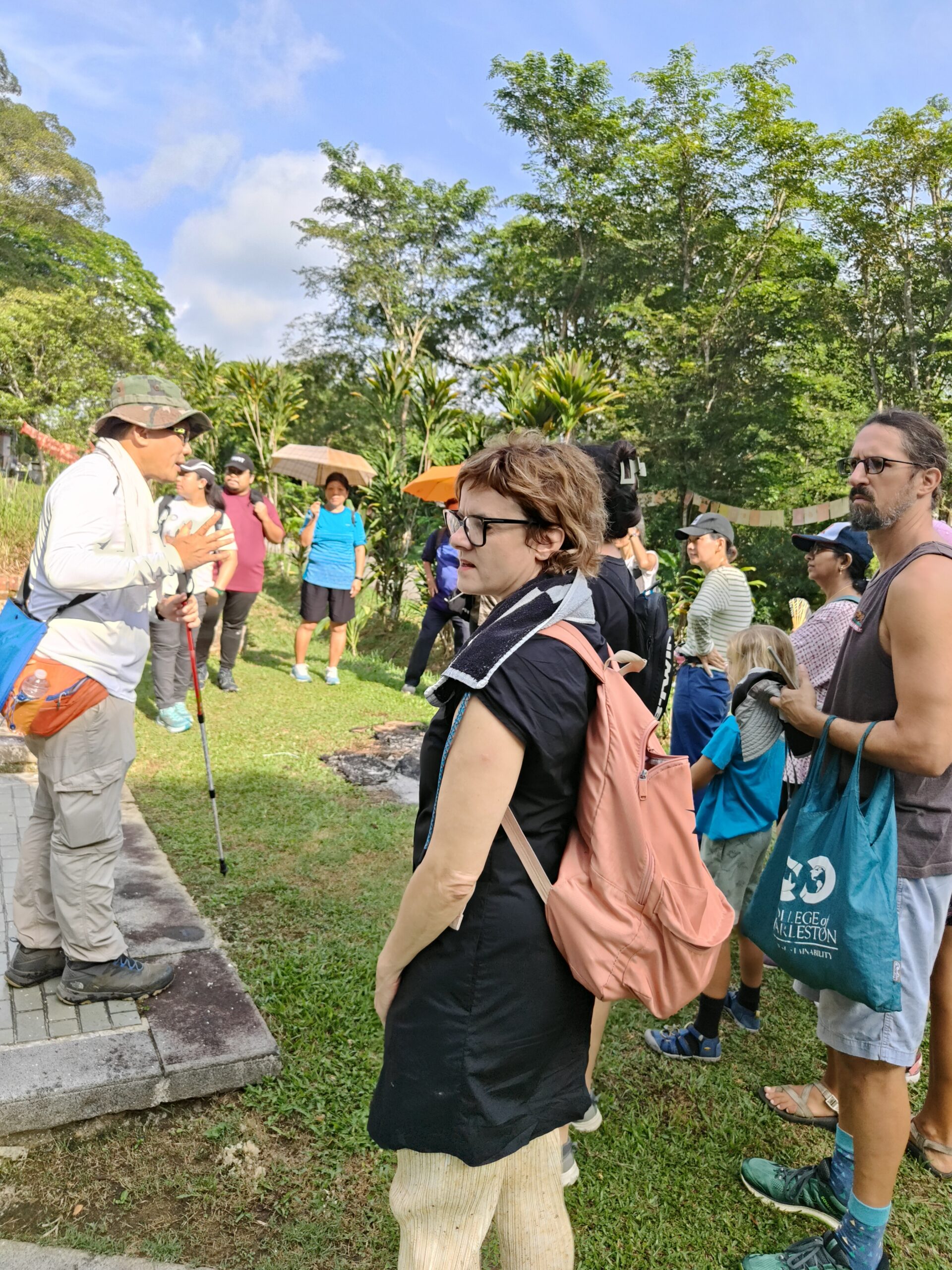
Material culture at the Wees’
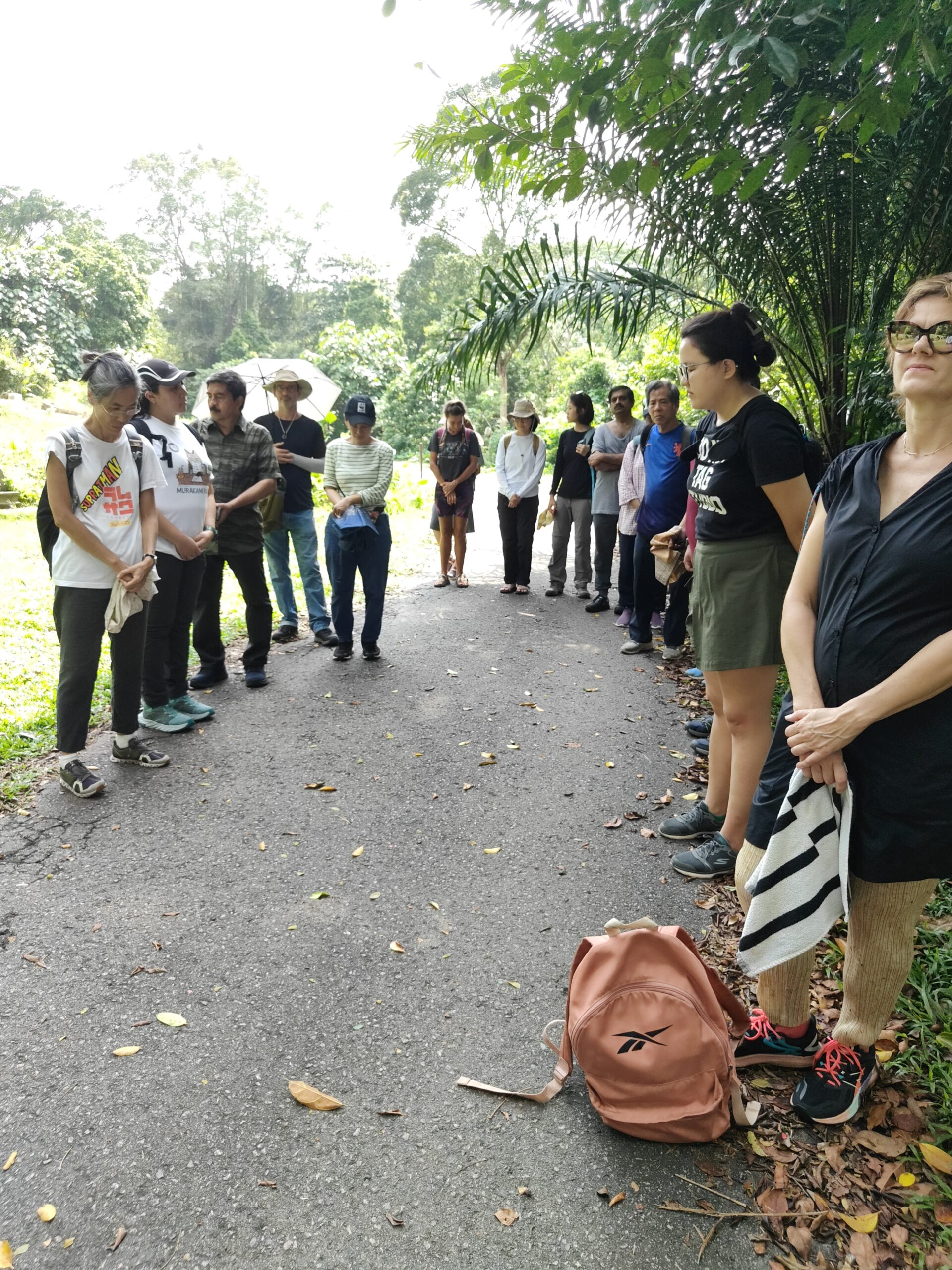
A minutes silence for Dr. Richard Hu, of Oh, Kwan and Hu.
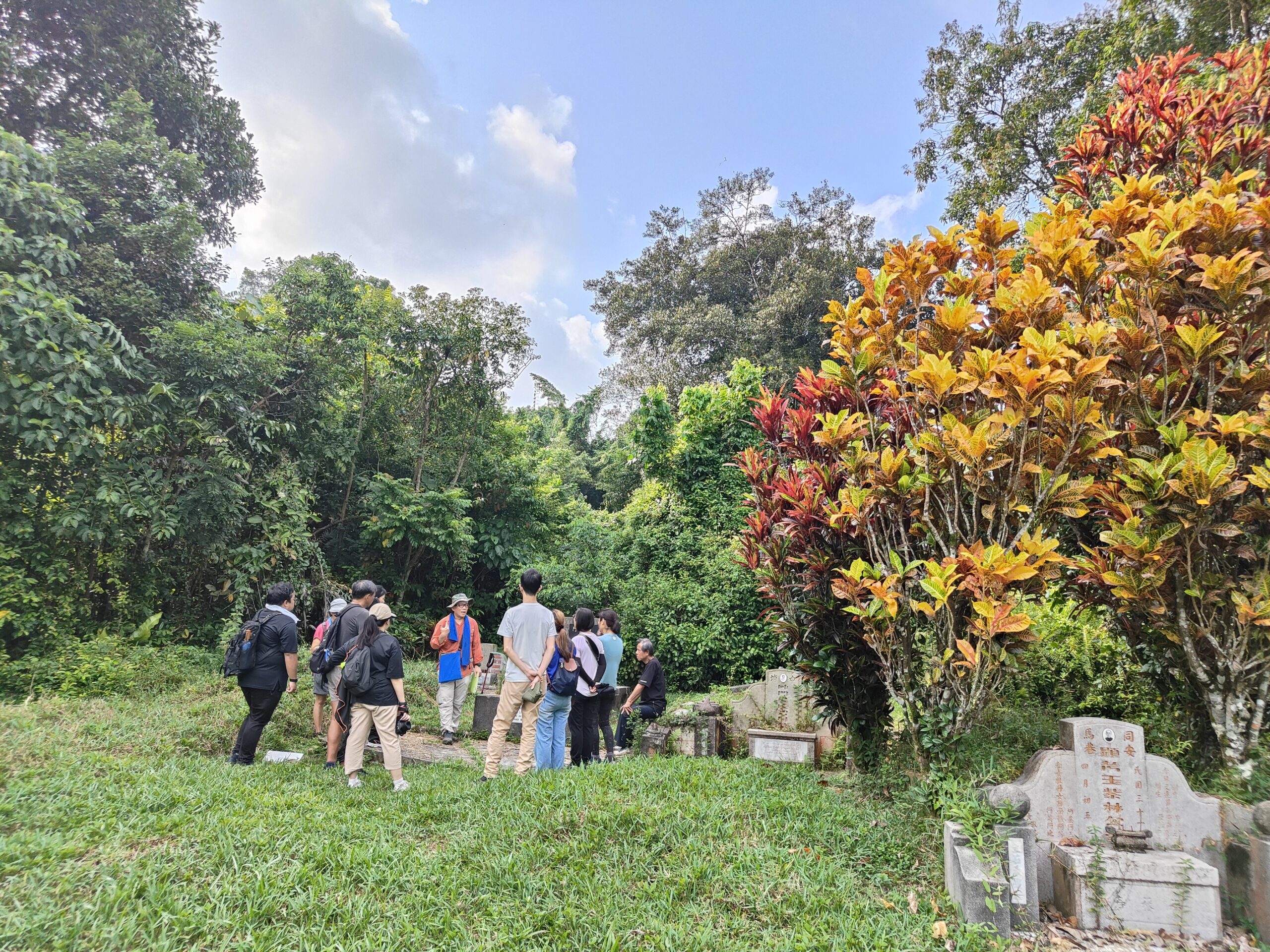
The crotons at Tan Chor Nam’s grave
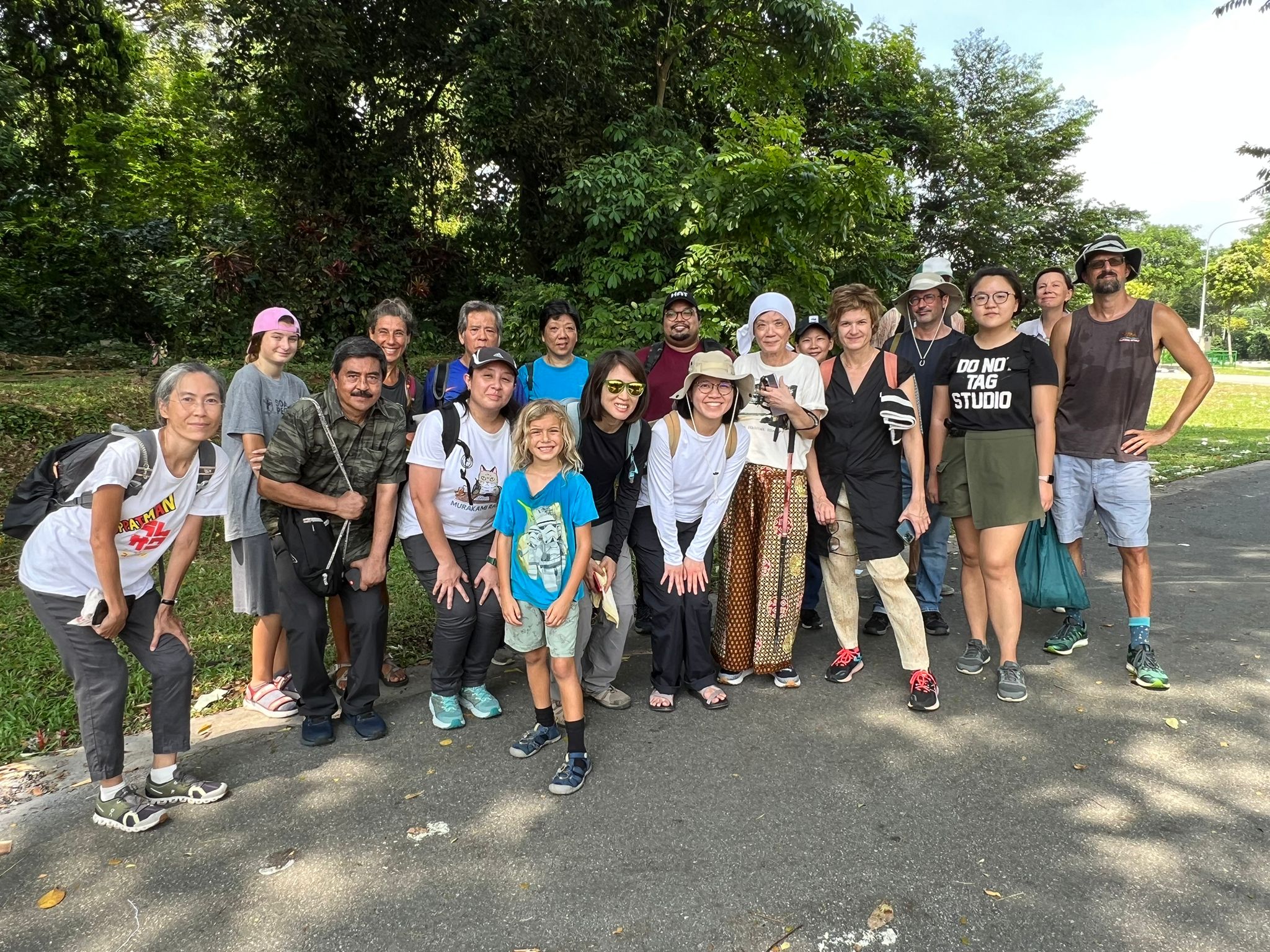
Thanks for coming and being such a great group of participants, especially the boy who kept me occupied while Fabian held court.
A sunny Sunday morning saw an opportunity to explore a charming, idyllic stream, embraced in nature’s natural air conditioning right smack in the forested area known as Lentor (Tagore) Forest of Teachers Estate. Our guide was Leong Kwok Peng of Nature Society of Singapore (NSS).
Here are some photos of that morning, where some “frolicked” and others explored or at times did both. We all came out came out refreshed and also sad that we are in imminent danger of this intimate stream being “canalised” in concrete or buried over in development plans.
Well, hello there are you pleased to see me? Photo captured by Lawrence Chong from a most unusual angle.
A more natural angle captured by Simone Lee
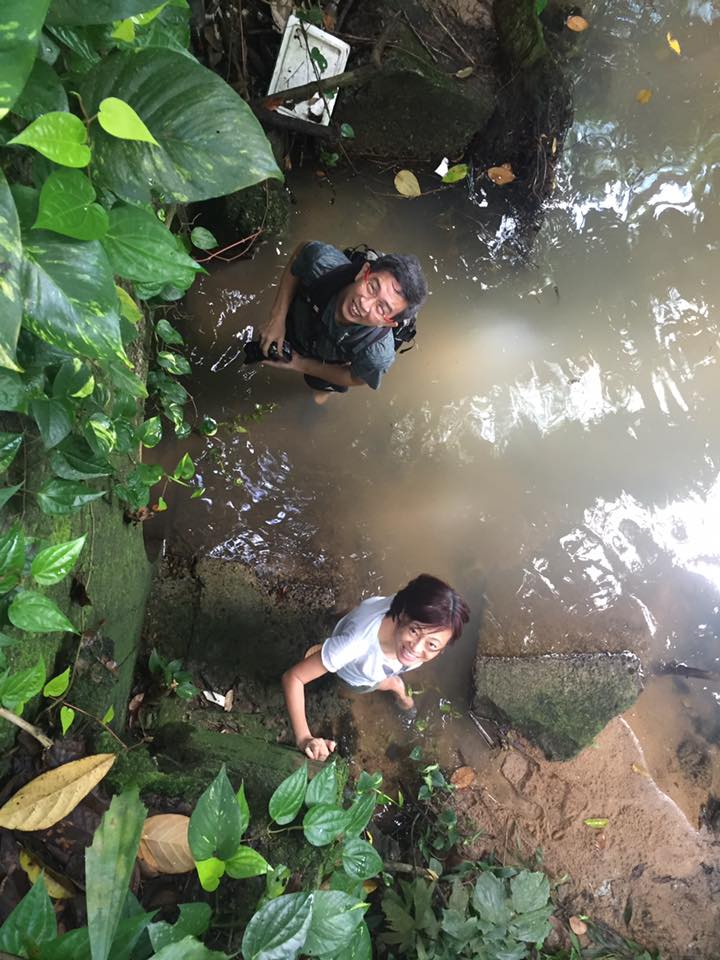
And hello there again from 2 brownies, no they did not fall down from what looks deceptively like a long distance. It’s a stream so getting wet is par for the course (photo Simone Lee)
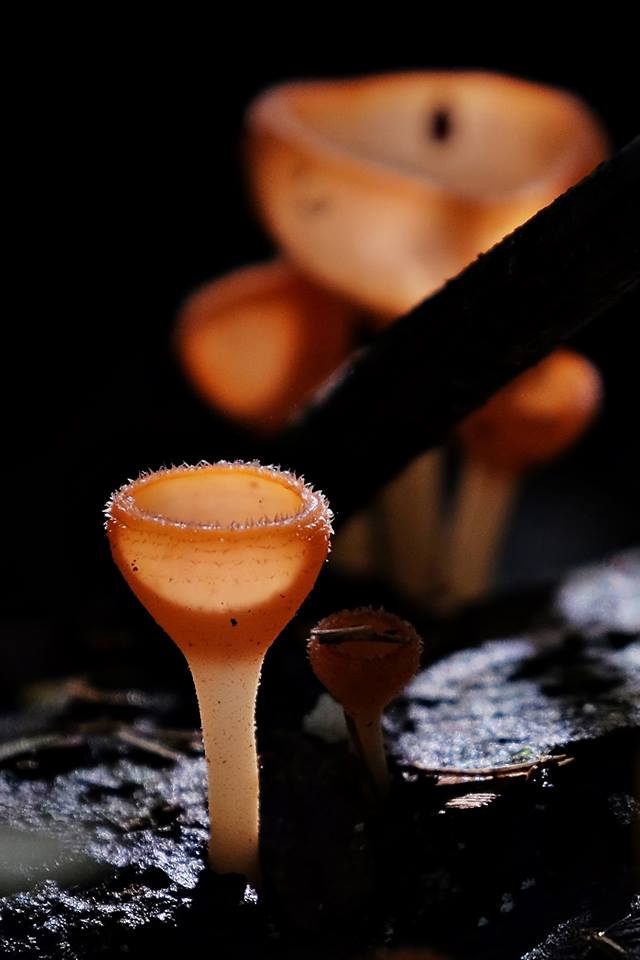
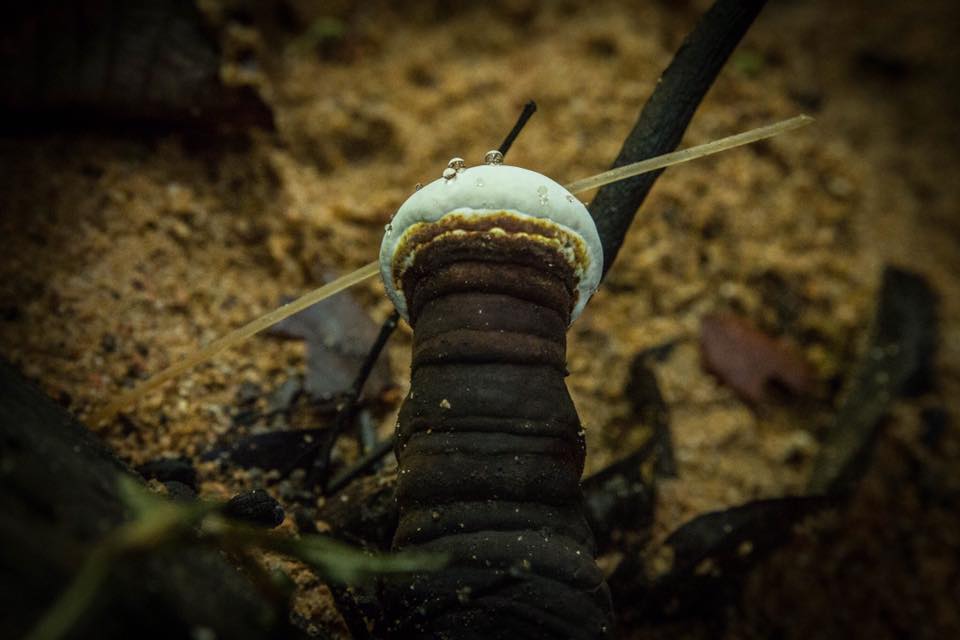
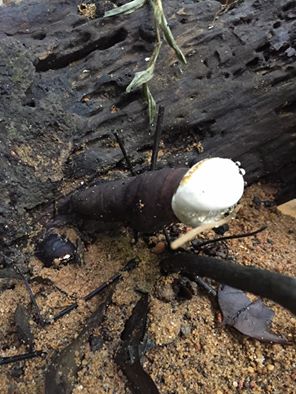
“I wandered lonely as a cloud That floats on high o’er vales and hills, When all at once I saw a crowd, A host, of golden toilet pumps” – with apologies to Wordsworth , Simone thought of toilet pumps when she saw them. Photo by Ang Hock Chuan
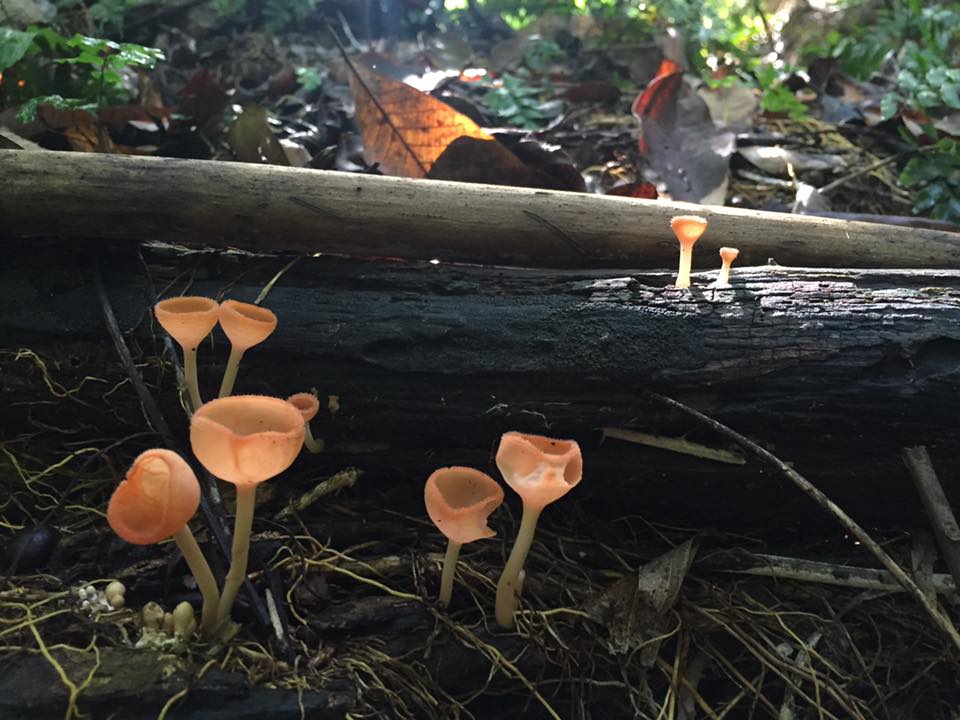
(photo Simone Lee)
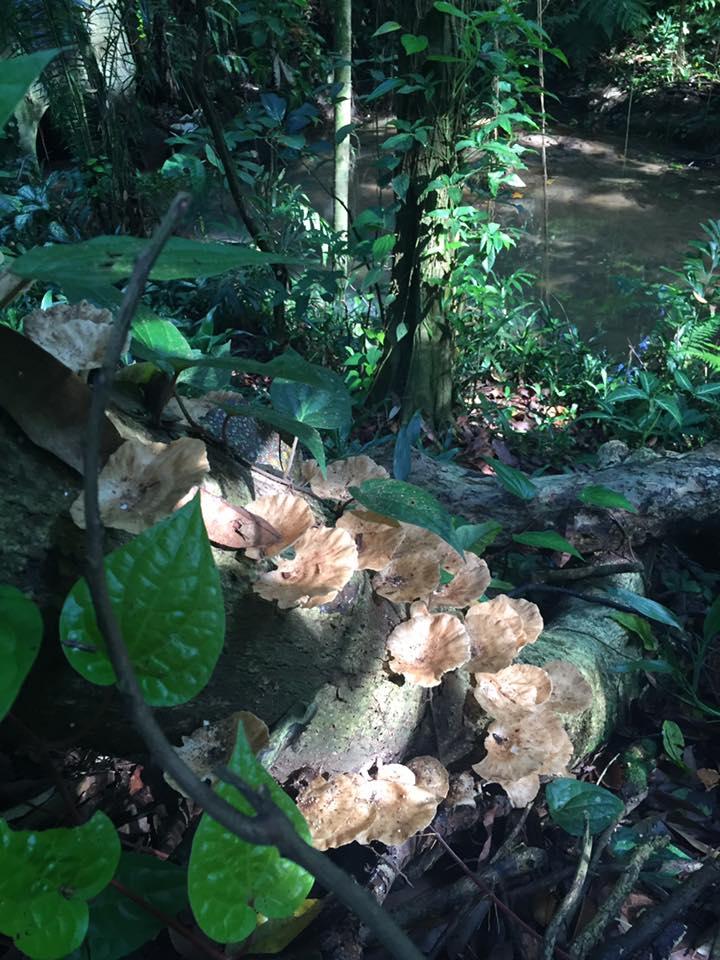
More fungi (photo Simone Lee)
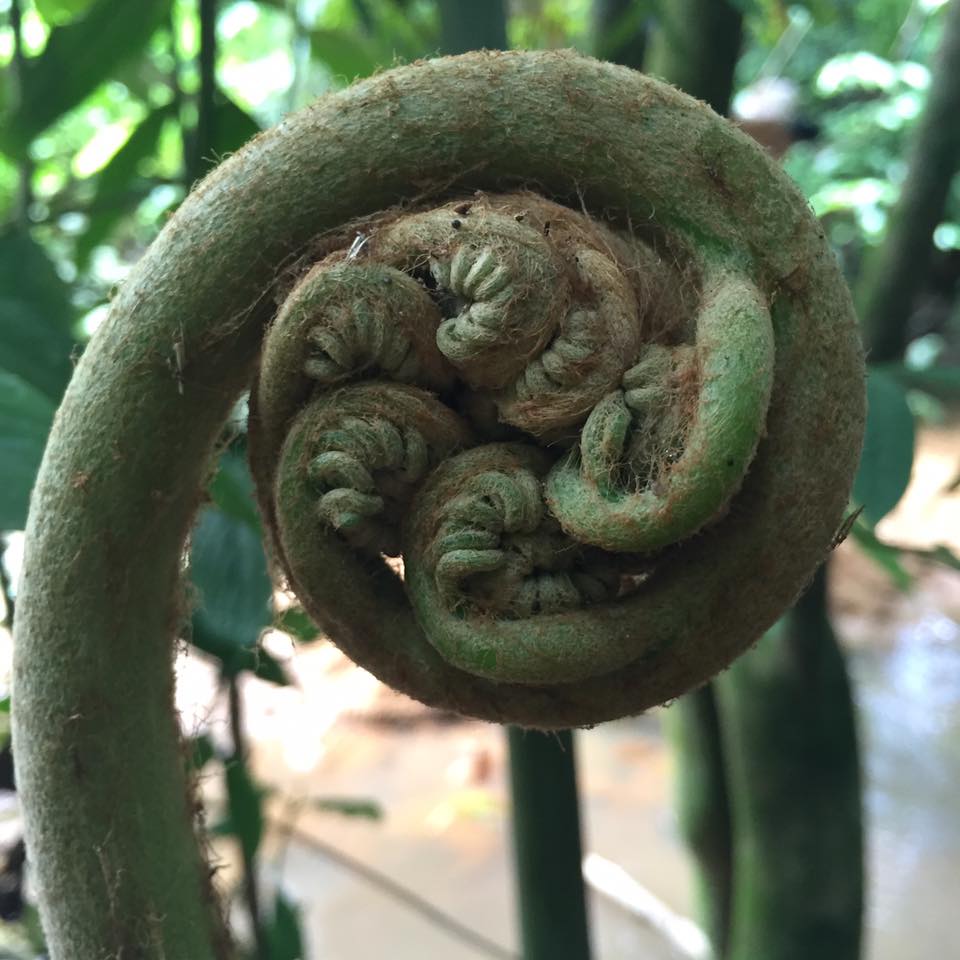
“Fern Gully” – not the scientific name, just a hark back to some old movie title (Photo Simone Lee)

(photo Catherine Lim)

Our Nature Society guide Kwok Peng trying not to get his feet wet (photo Simone Lee)
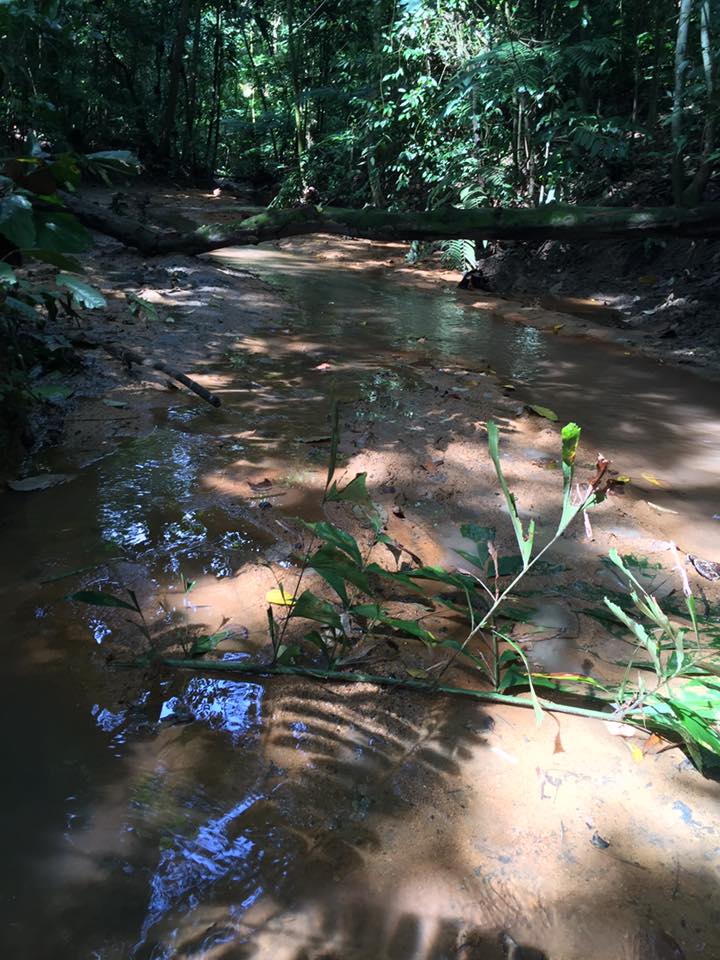
(photo Simone Lee)
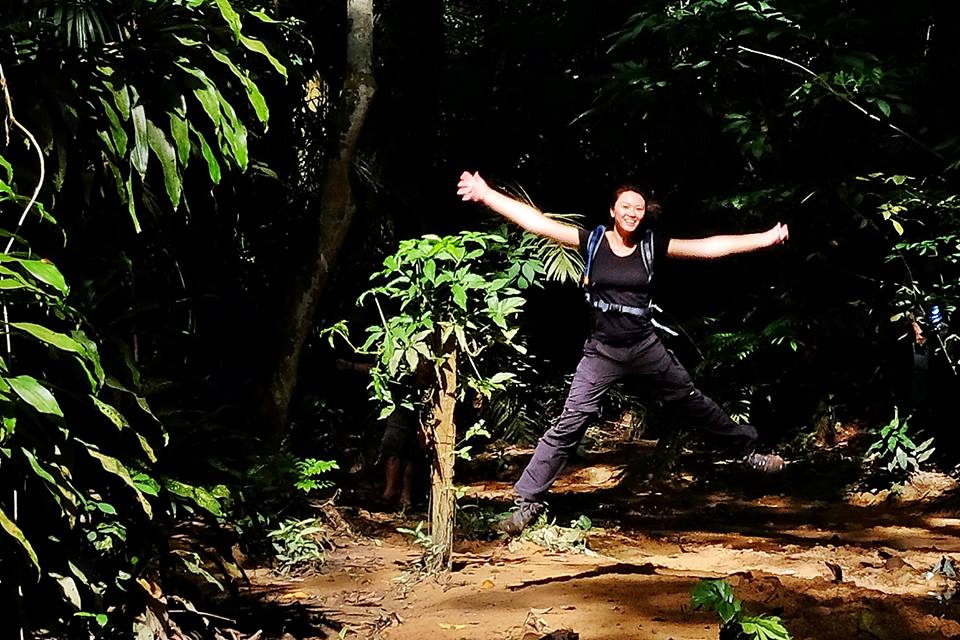
Maybe she had a sip of the water “Youthful Exuberance” (photo Ang Hock Chuan)
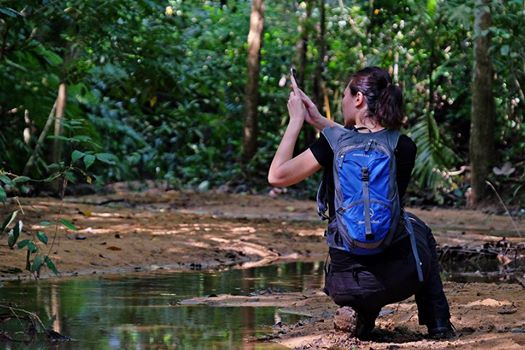
(photo Ang Hock Chuan)
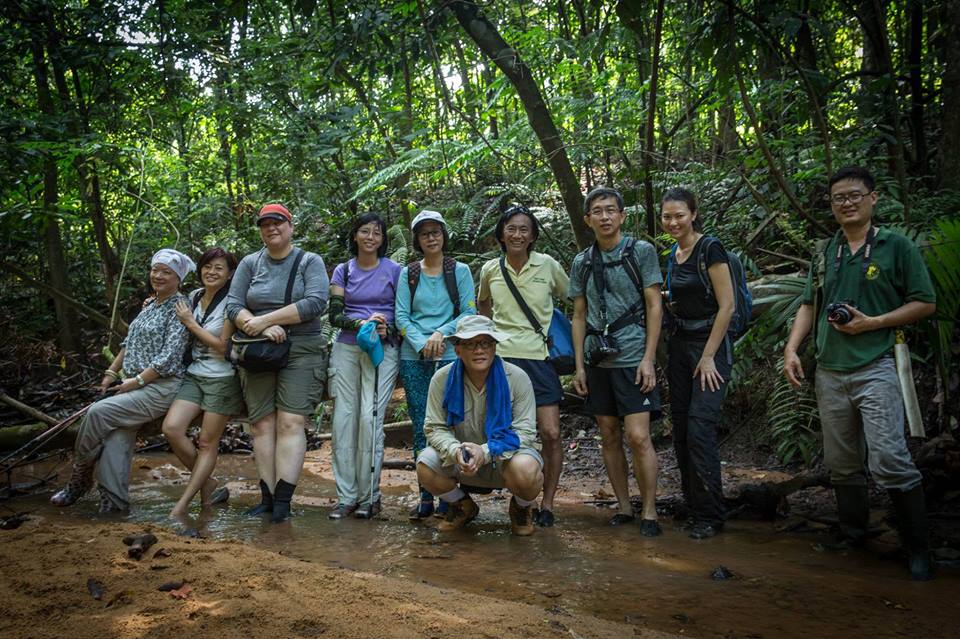
Brownies streaming….. (photo Lawrence Chong)
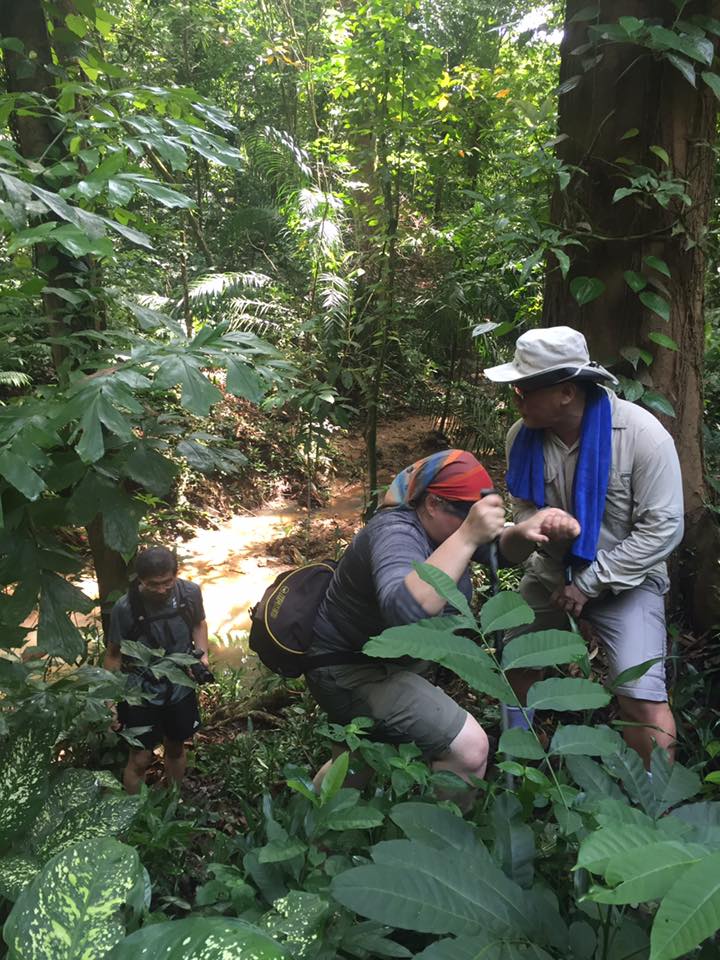
Not that difficult to get up and down with a gallant hand to this neck of the woods, just some light bush bashing through forested trek and voila you are there. (photo Simone Lee)
Join the Nature Society of Singapore (NSS) FB group here and you can find more photos on the stream and its environs.
The NSS wrote a position paper proposing a phased development of the area leaving the streams untouched. Their rationale was quite simple, since not all the land was needed urgently :
“We leave a valuable stretch of forest as a land-bank with its ecological and biodiversity values for future generations to decide as to whether they want to preserve it or to exploit it for other uses. Tastes and needs can vary and differ from generation to generation. What is of no value today may be in great demand for a future generation. People, whether in the immediate or far future, may appreciate natural greenery and its wildlife more as these become rare or scarce —- apart from what is already there in our limited protected nature areas.”
To that we say, hear, hear and Amen. Please help to spread the word to your MPs!
You can read more about the position paper which can be downloaded here
31 October 2013
Bukit Brown is home to some 90 species of resident and migrant birds. These photos by Goh Yew Lin, capture some of the birds feeding in the early morning. The “wild fruits” are the ripe figs of Ficus benjamina (Waringin, Weeping Fig). This strangling Ficus species is one of keystone tree species in Bukit Brown. Whenever these trees are figging, the birds go gaga over the fruit feast.
The Pigeons
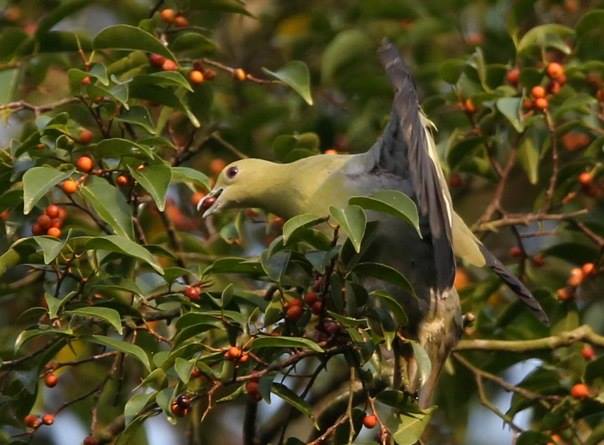
Green pigeon feeding (photot Goh Yew Lin)
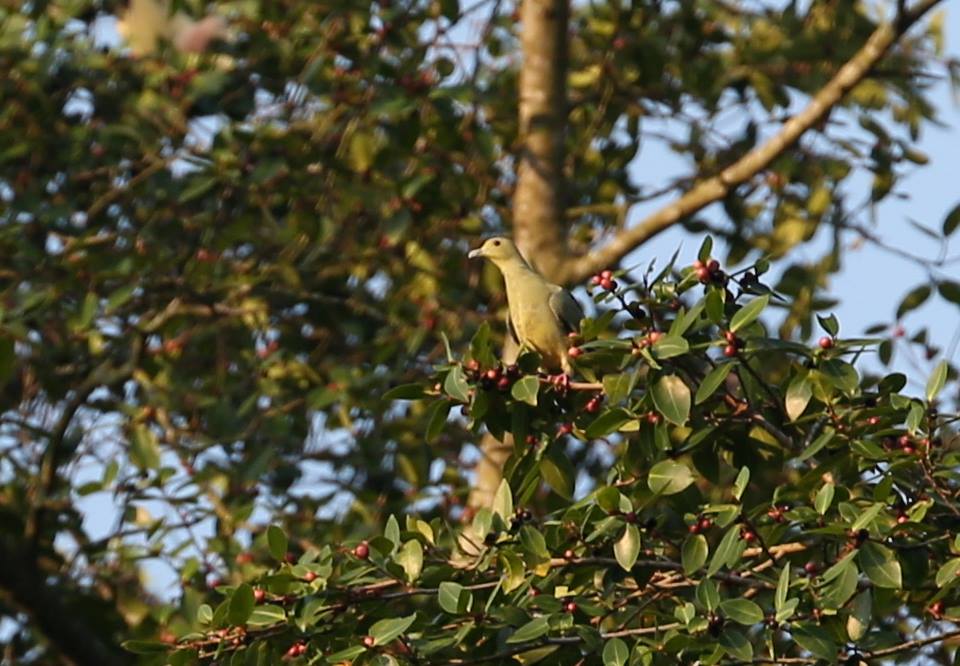
Green pigeon amidst a feast of wild fruit (photo Goh Yew Lin)
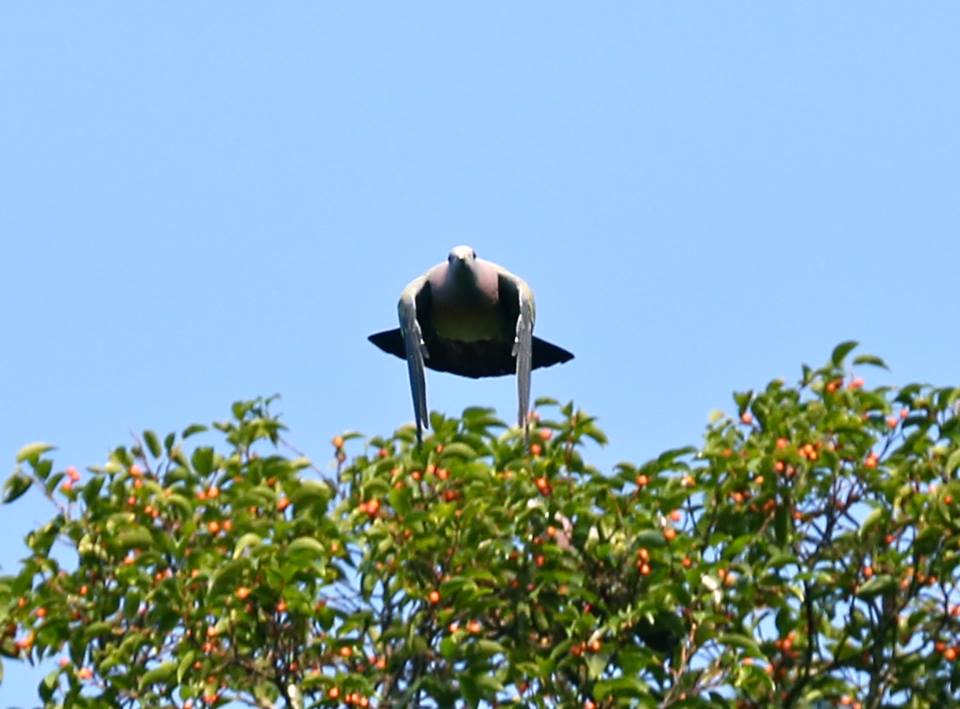
Pigeon in flight (photo Goh Yew Lin)
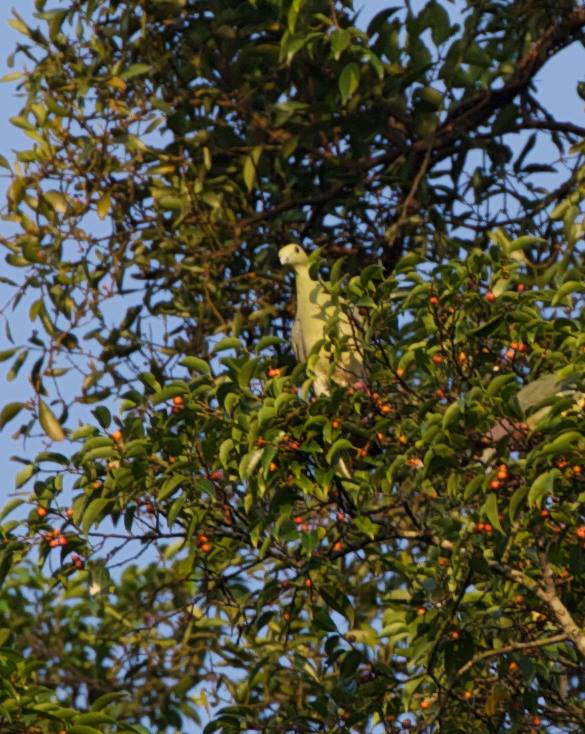
Pigeon hiding amidst the fruits (photo Goh Yew Lin)
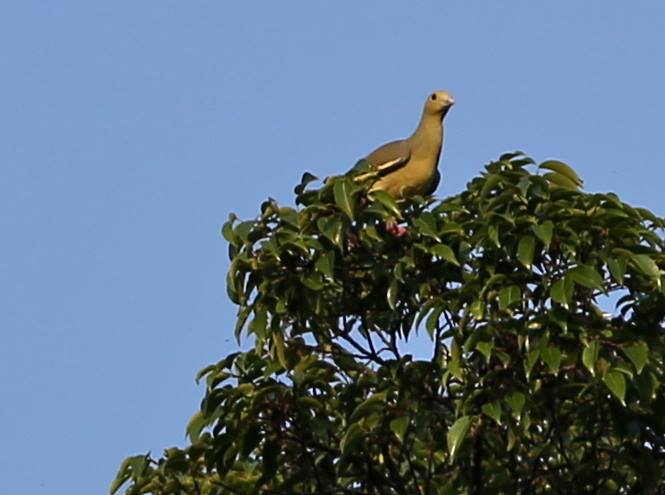
Pink-necked green pigeon (female) (photo Goh Yew Lin)
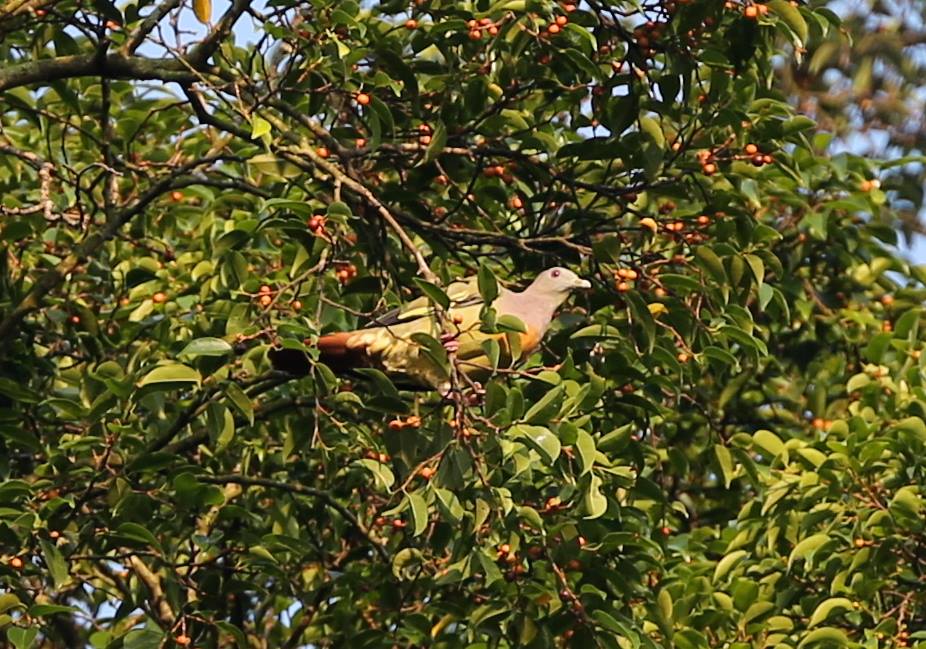
Pink-necked green pigeon (male) (photo Goh Yew Lin)
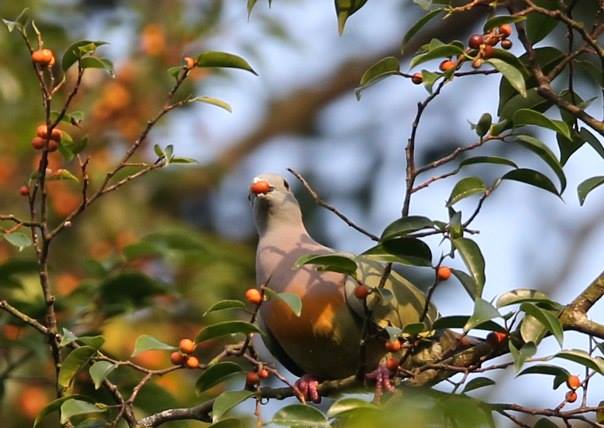
Pink-necked green pigeon feeding (photo Goh Yew Lin)
The Kingfisher
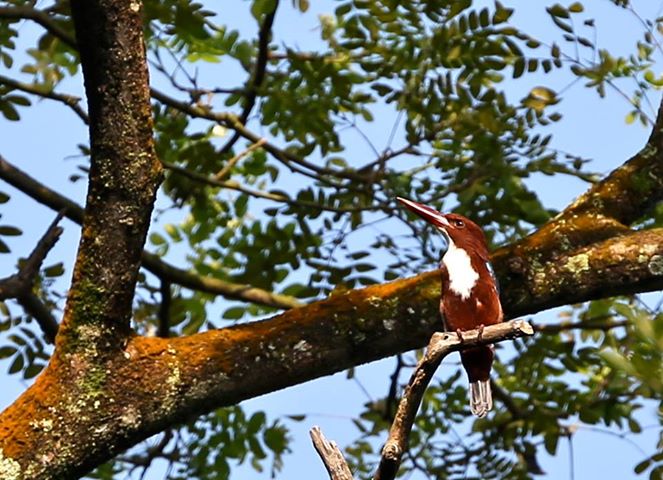
“This kingfisher was not perturbed by my presence, striking poses for a good five minutes” Goh Yew Lin
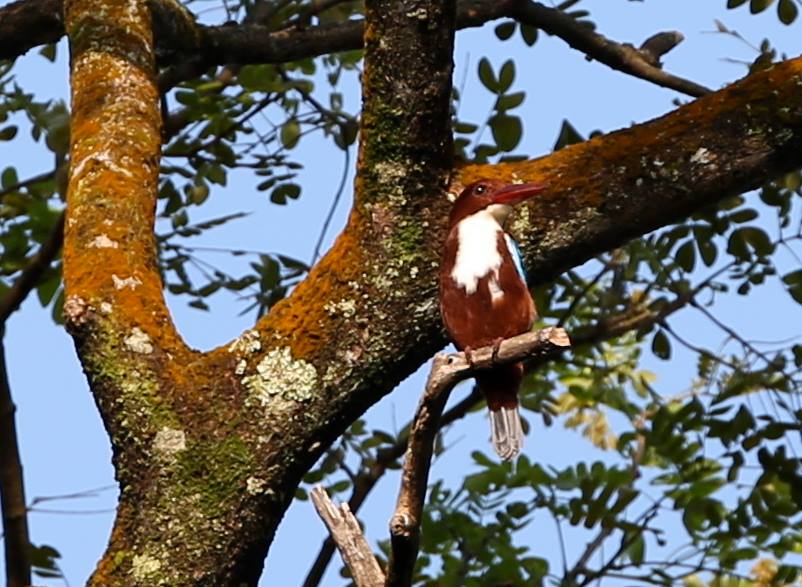
White-throated kingfisher, partly camouflaged (photo Goh Yew Lin)
The Oriole
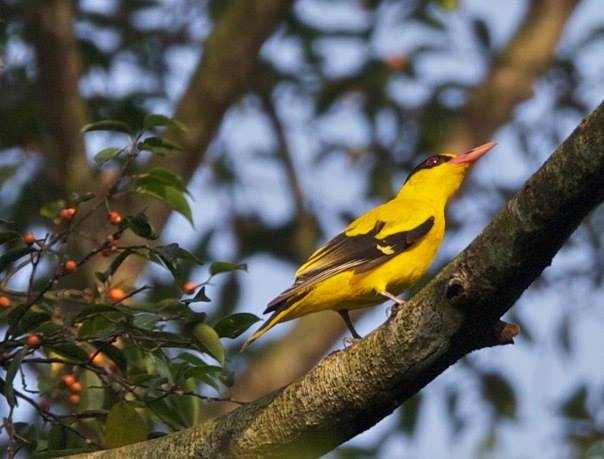
Golden Oriole (photo Goh Yew Lin)
The Starling
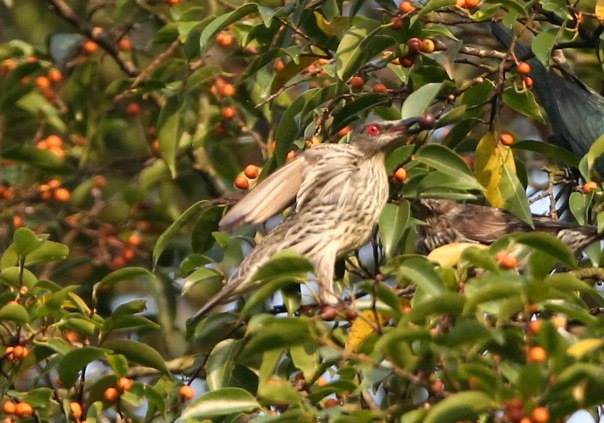
Morning Vistas
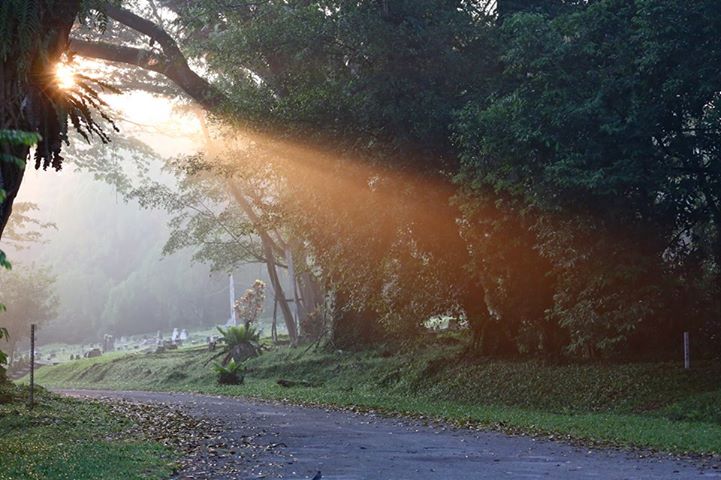
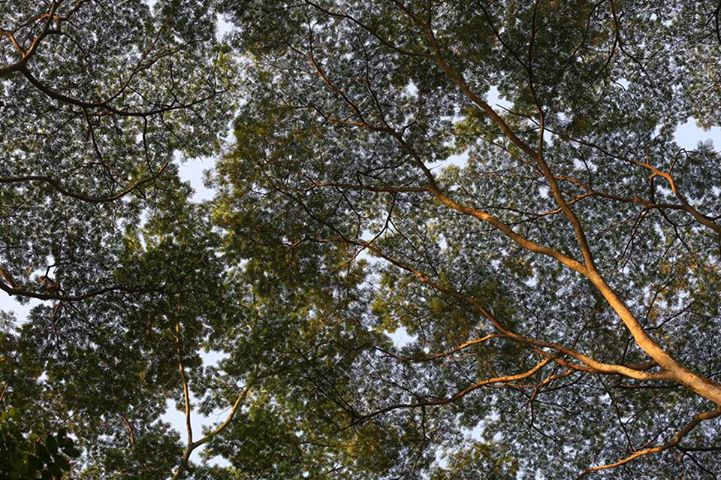
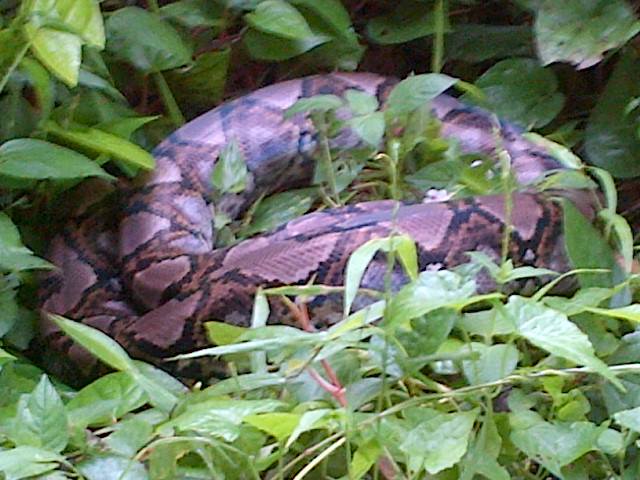
(photo by Steven Toong)
More information on butterflies spotted in Singapore can be found by joining this group Butterflies of Singapore and Malaysia
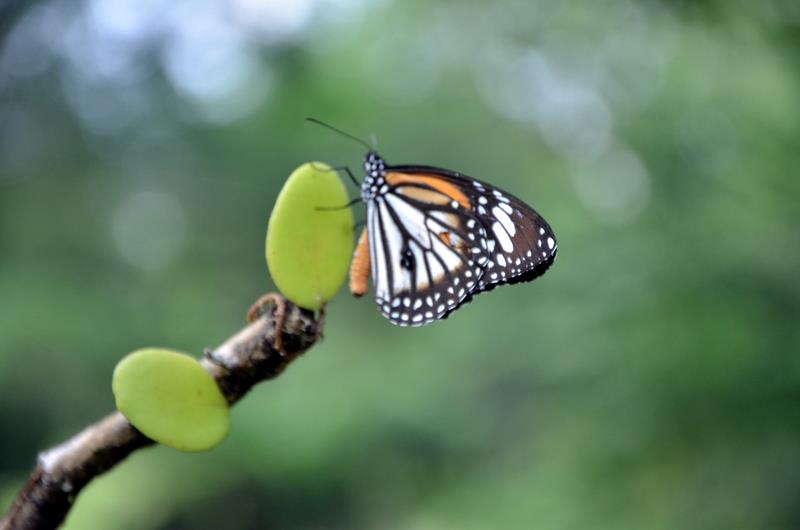
Black-veined Tiger, uncommon in Singapore(photo Victor Yue)

common mormon, mimic of common rose (photo Eileen Ong)
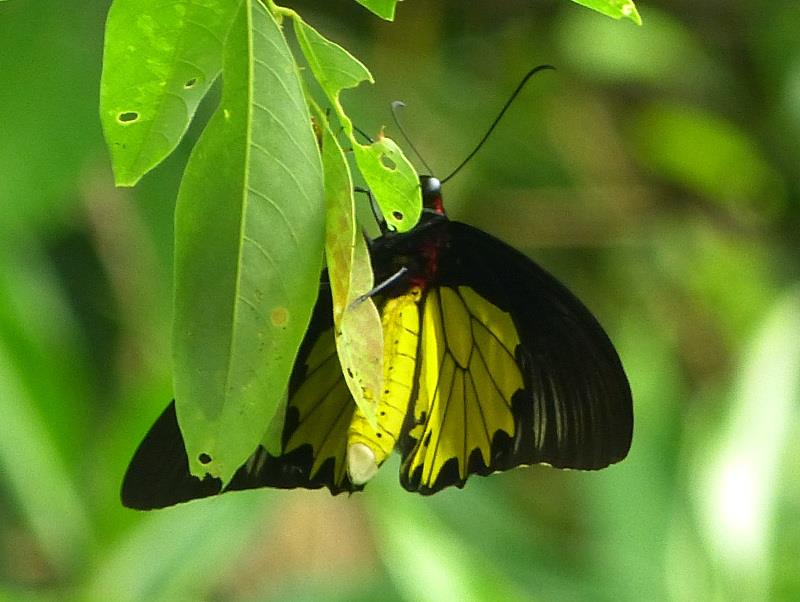
Common Birdwing (photo EiLeen Ong)
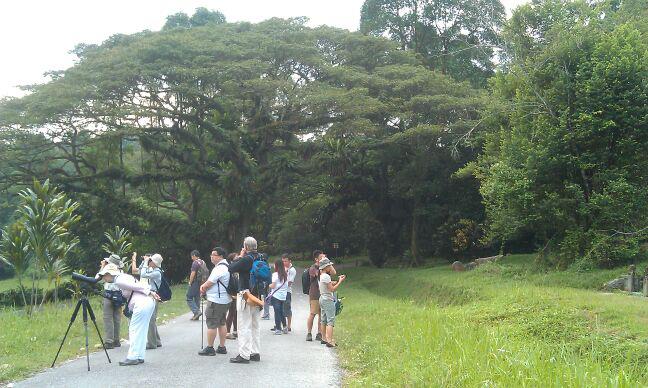
They came armed with ‘scopes and binos, cameras and the naked eye (photo Cuifen)
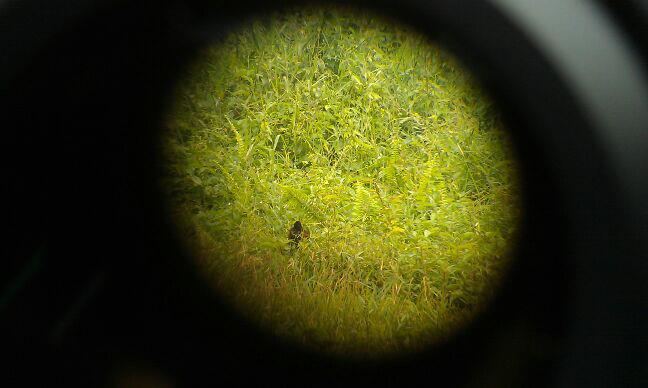
View into a scope. Lesser coucal spreading its wings, and sunbathing in the waterlogged fern area. The bird looks much clearer & closer when viewing directly into the scope (photo Cuifen)
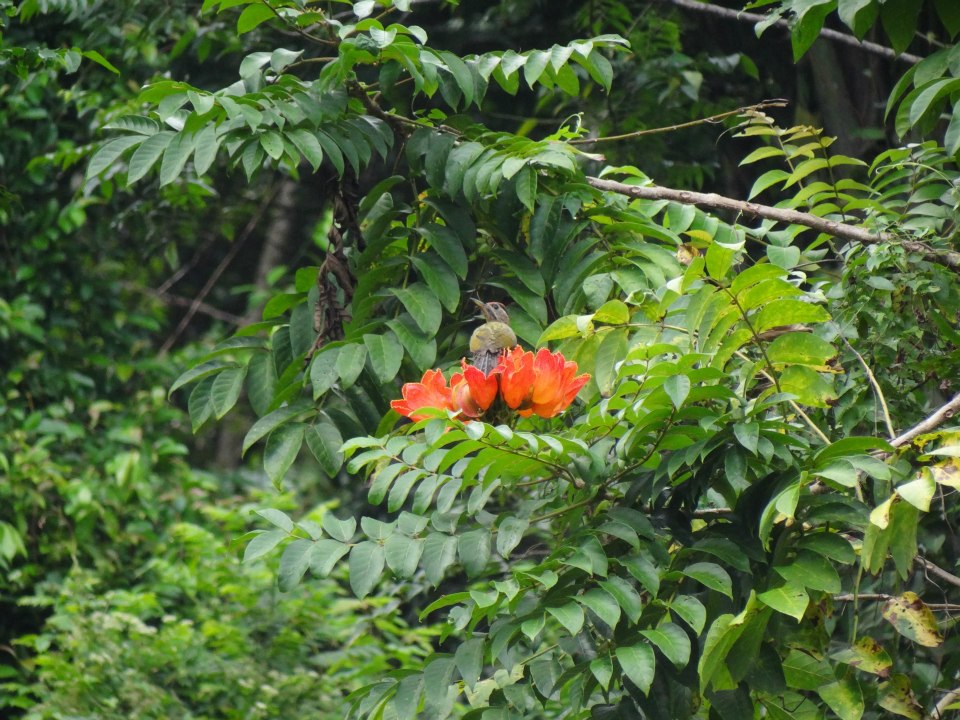
Laced woodpecker sitting on a ‘nest’ of African tulip flowers. Photo taken by fellow bird watcher, Leng Leng.
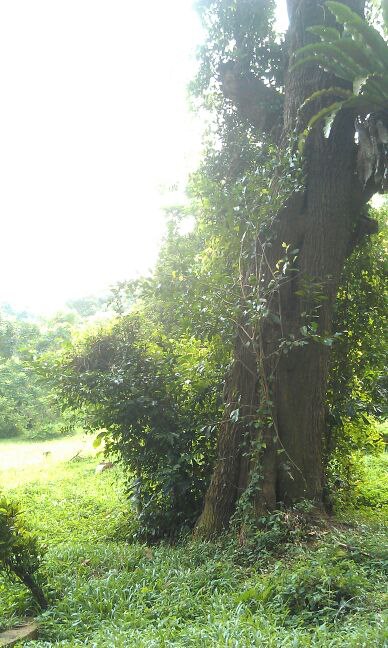
Can you spot the baby monitor lizard? (photo Cuifen)
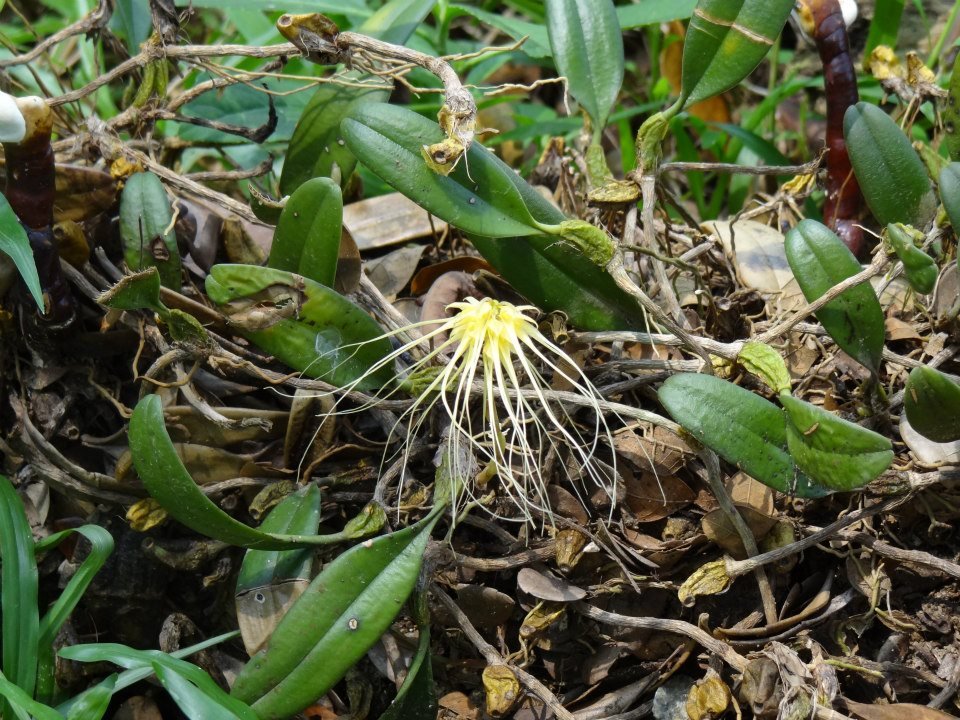
A starburst orchid. A rare sight! Photo taken by fellow bird watcher, Leng Leng.
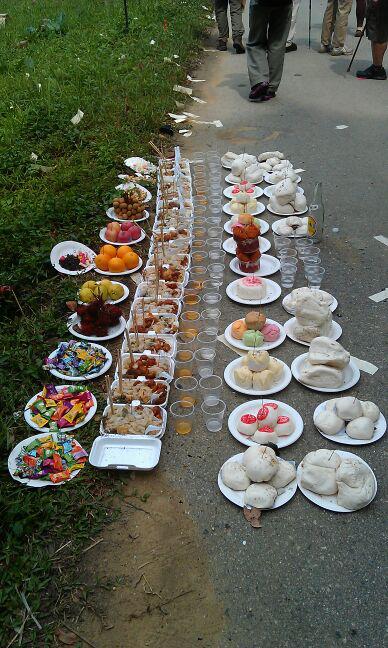
With the Hungry Ghost festival on, maybe some pickings for the birds, after the “ghosts” have feasted of course (photo Cuifen)
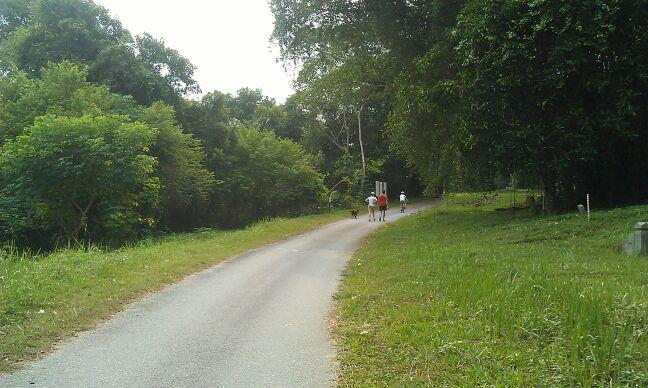
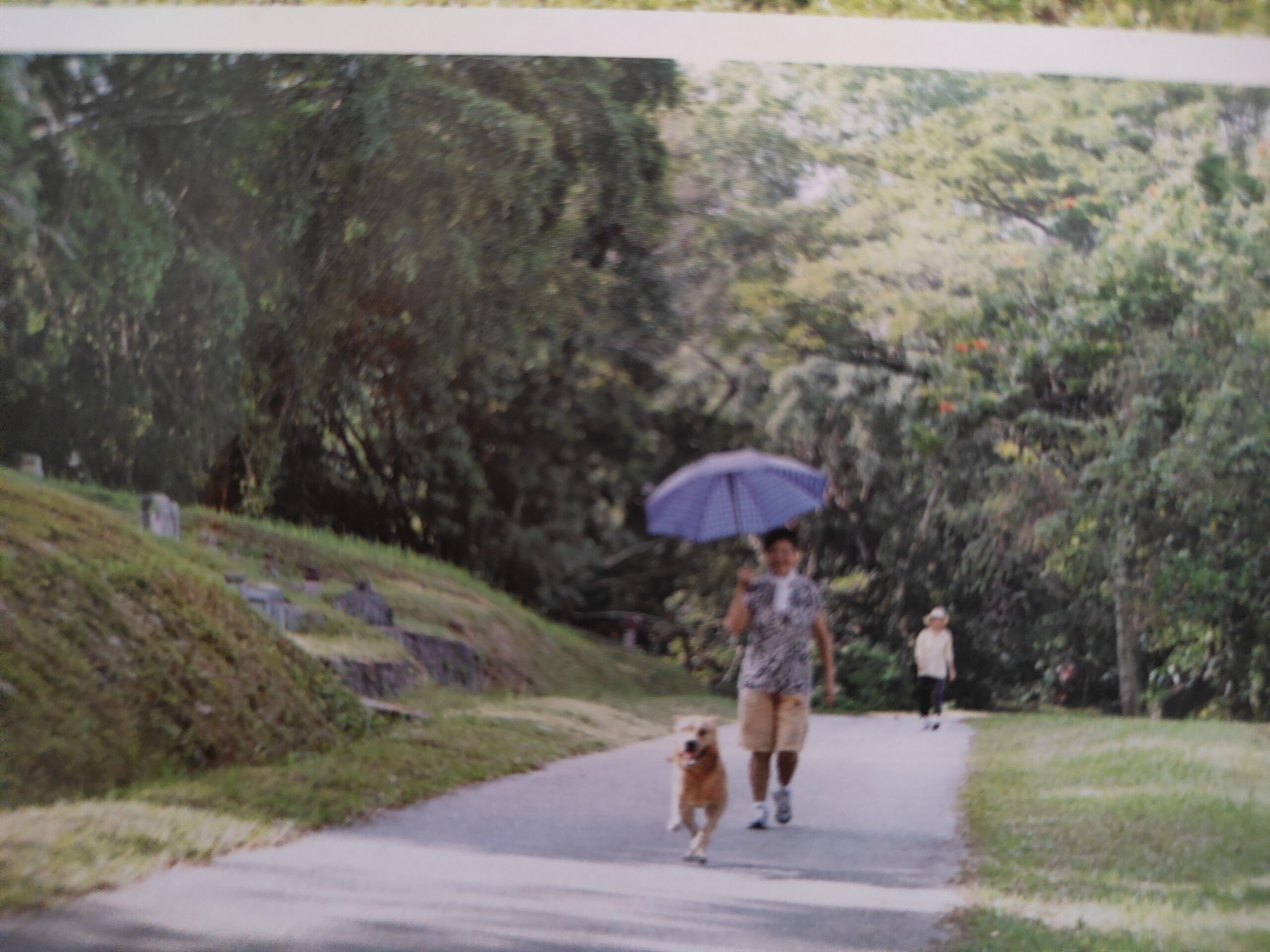
Mornings are family strolls with the dog as well (photo Cuifen)
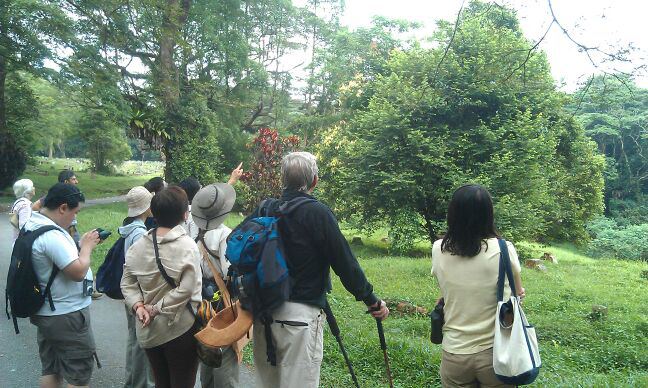
(photo Cuifen)
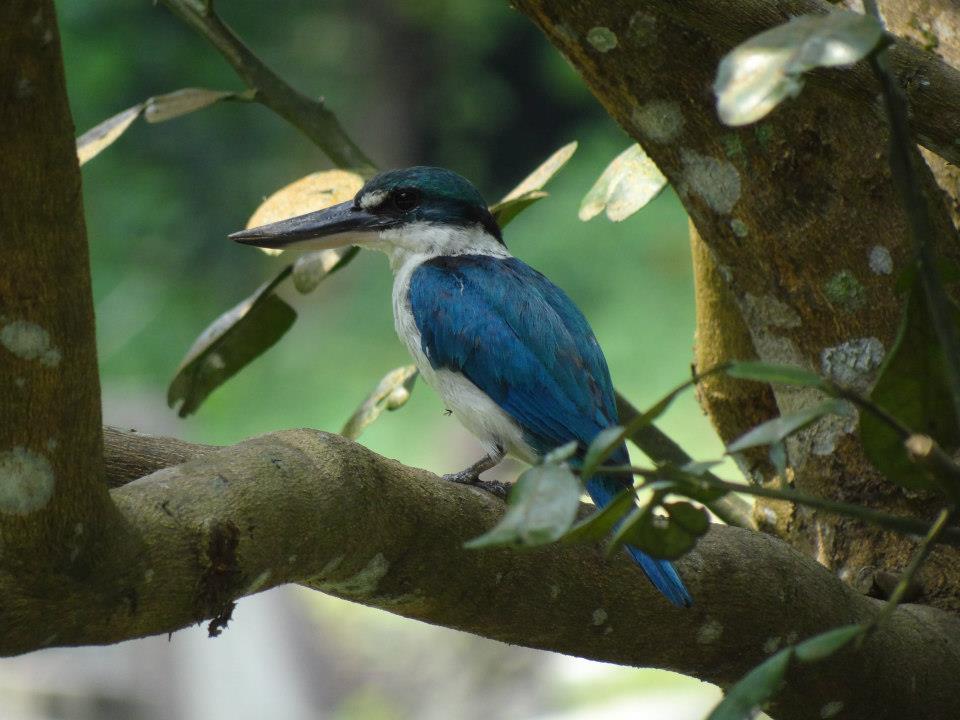
Collared Kingfisher. Photo taken by fellow bird watcher, Leng Leng
RELATED POSTS:
Don’t miss this video of a nightjar and its nestling! Here’s one of woodpeckers.
Birds, Flowers and More – this shows you not only the real birds and flowers but the tomb decorations depicting birds and flowers
Here’s a look at a pangolin
FOR PREVIOUS NSS WALKS:
A Nature Ramble – this helps identify some plants at Bukit Brown
Beyond Grave Matters – this is a beautifully written commentary and event report by Rosalind Tan, whose ancestors lie at Bukit Brown
Dateline 2 May 2012 at Bukit Brown.
This magnificent creature was “captured” this morning by Georgina Chin the accidental photographer. She writes of the moment:
” He was brave and stood on a perch like forever and didn’t move. I sat and just watched him. He was soaked . I was soaked. I call him white socks.”
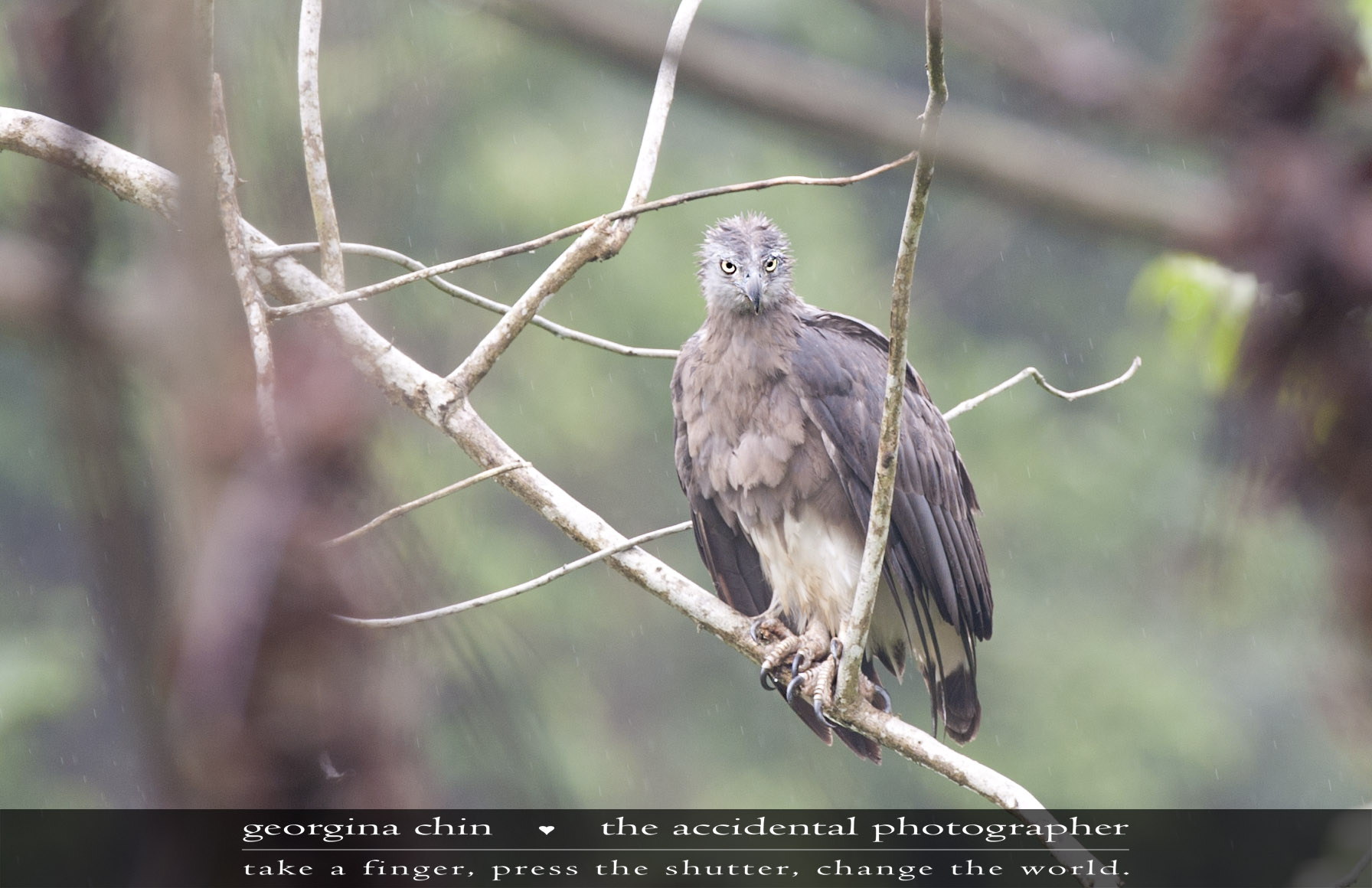
About Georgina:
She is the photographer and writer of the book “Birds in my Backyard.” Bukit Brown is literally her backyard as she lives off Lornie Road. Georgina started birdwatching in 2009.

Georgina Chin - The Accidental Photographer (photo Catherine Lim)
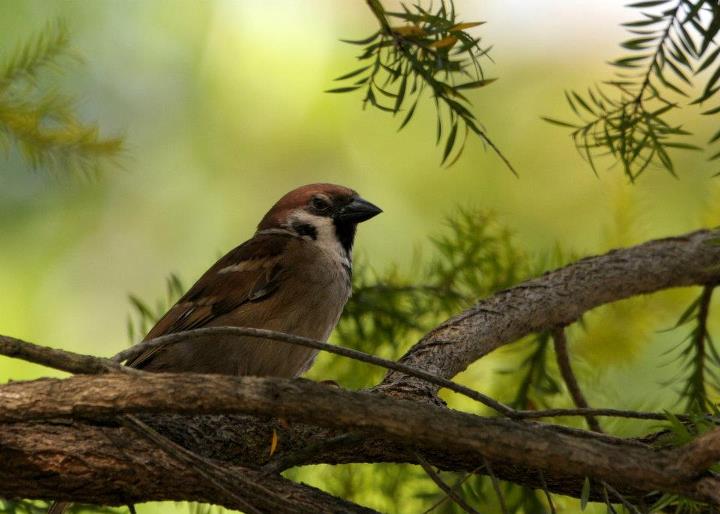
The Little Sparrow (photo Suki Singh)
LITTLE SPARROW ON THE TREE
by Lim Su Min
What seeeth thou from up there,
Little sparrow on the tree
With thine tiny eyes thy vision cast
Across this cemetery?
Canst thou see the things unseen
Thousands upon thousands of souls in pain
Canst thou hear with thine tiny ears
Their plaintive cry for “peace again?
Little sparrow on the tree
Soar up to heaven to pray
To plead that these anguished souls
Would truely “Requiescite in pace” .
The Banded Woodpecker and The Laced Woodpecker were spotted and filmed at Bukit Brown by sgbeachbum, the moniker of a nature buff who haunts Bukit Brown and natural habitats documenting and sharing Singapore’s natural treasures for generations to come.
banded woodpecker cooling off @ bukit brown 15Jan2012 from SgBeachBum on Vimeo.
http://vimeo.com/36165497
Recent Comments